How Malacology Led Me to Environmental Science Communication: The Legacy of a Mussel
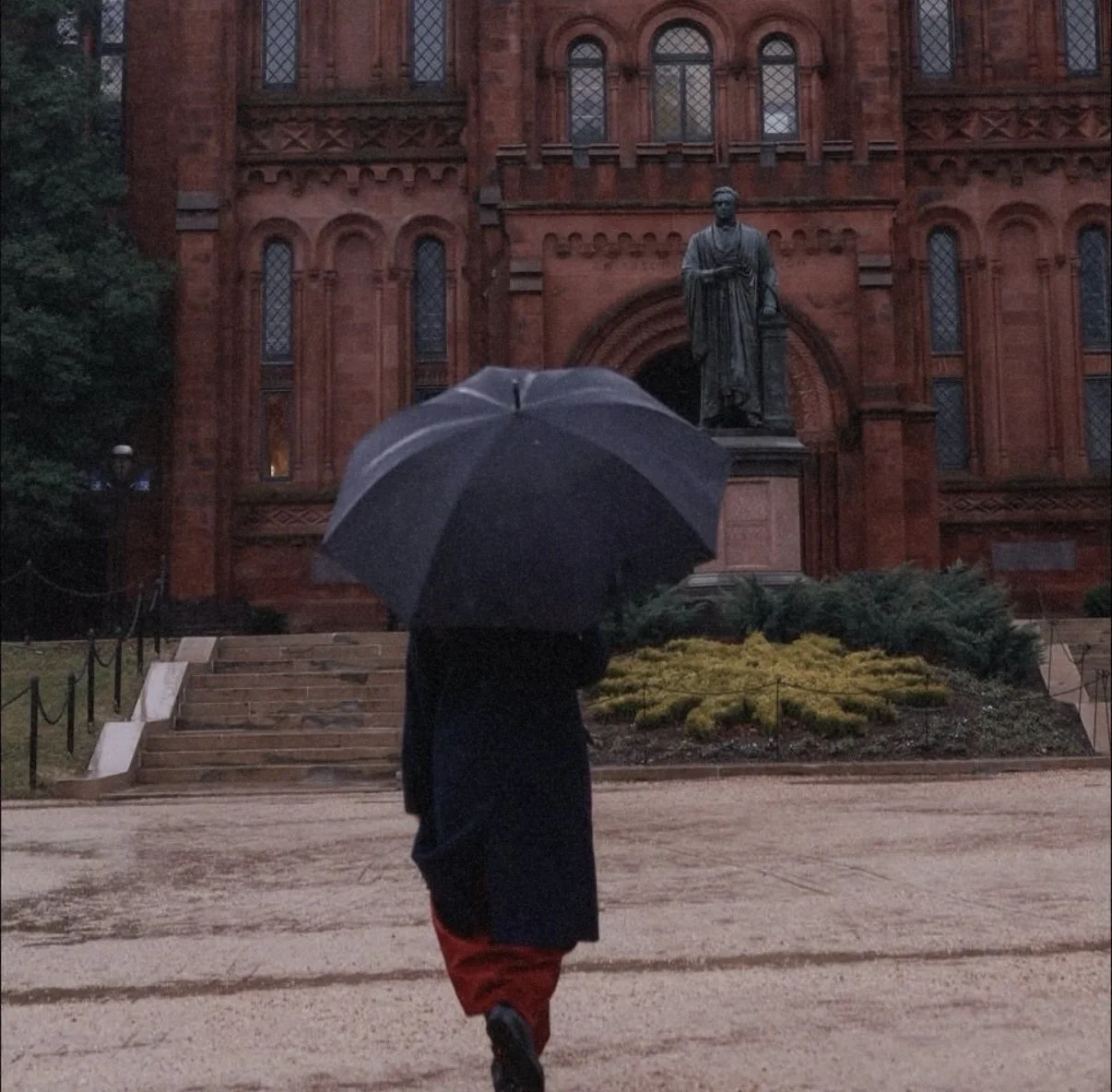
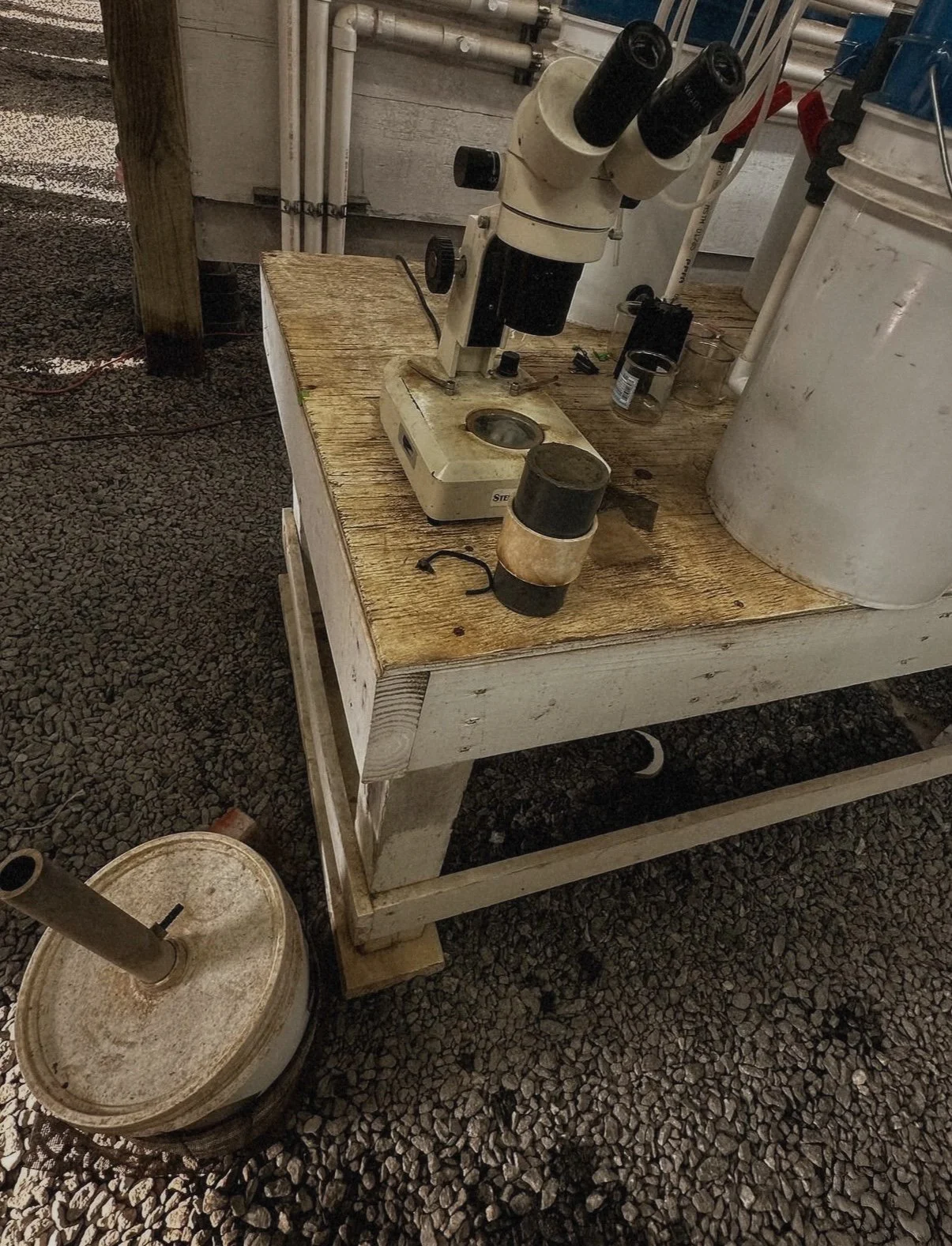

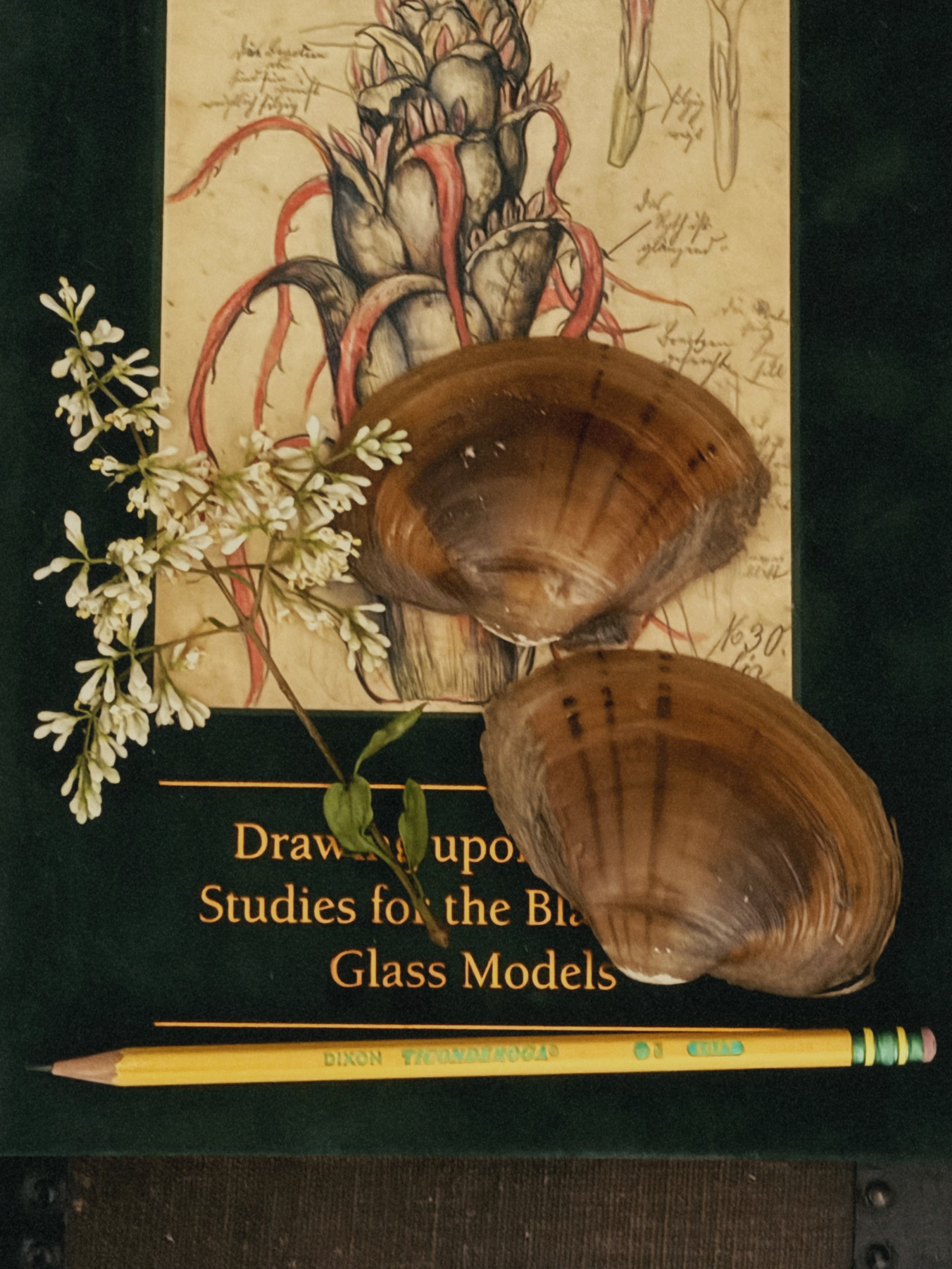
A mussel is much more than an organism in a river.
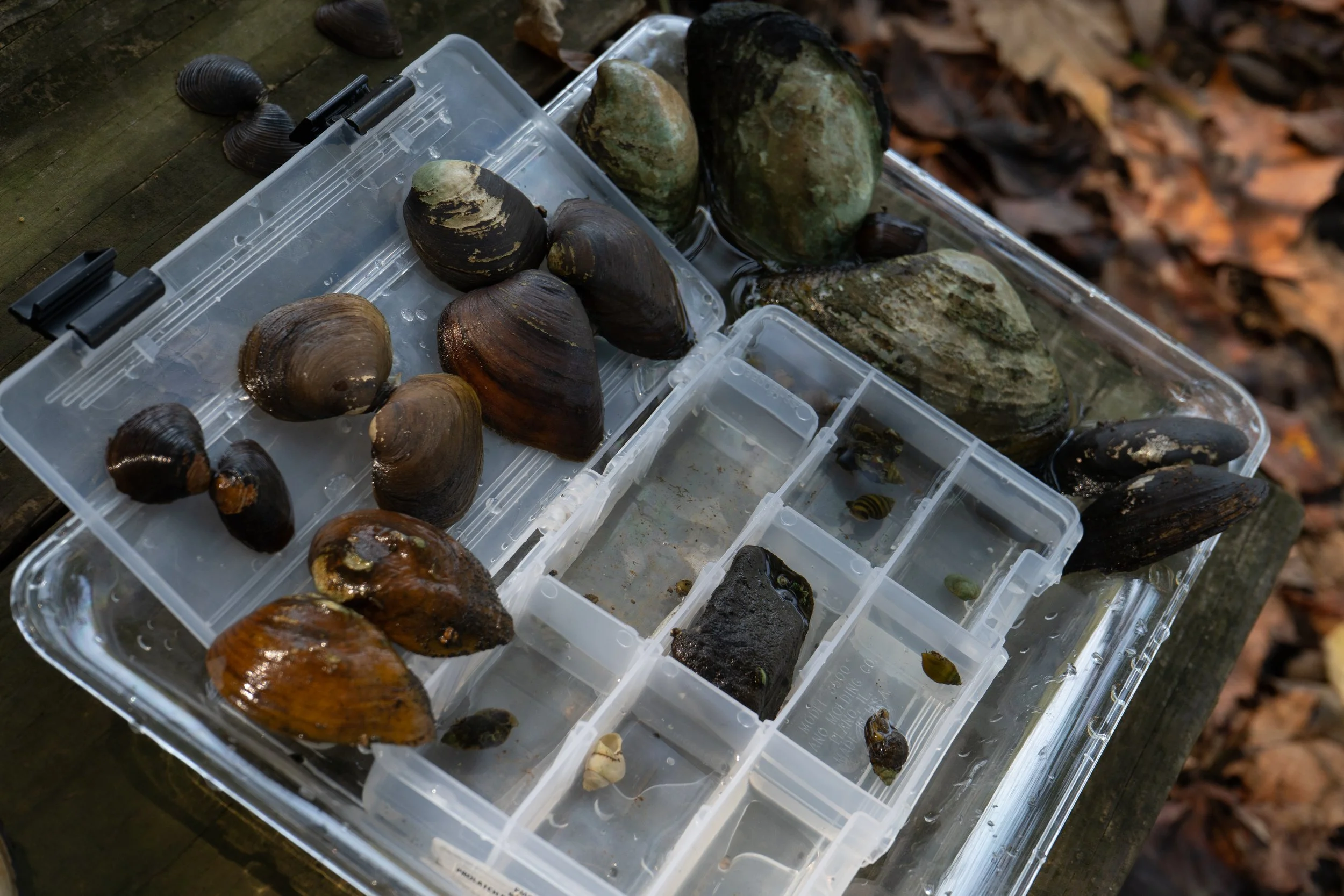
For generations, naturalists have collected, classified, described, and preserved freshwater mussels. Historic specimens remain in museum collections, documenting species diversity and offering valuable records of environmental change. In living rivers, mussels and other aquatic macroinvertebrates provide scientists with insight into ecological conditions. Their presence, absence, abundance, and diversity can reveal patterns within a watershed that extend far beyond the moment captured by an individual water sample.
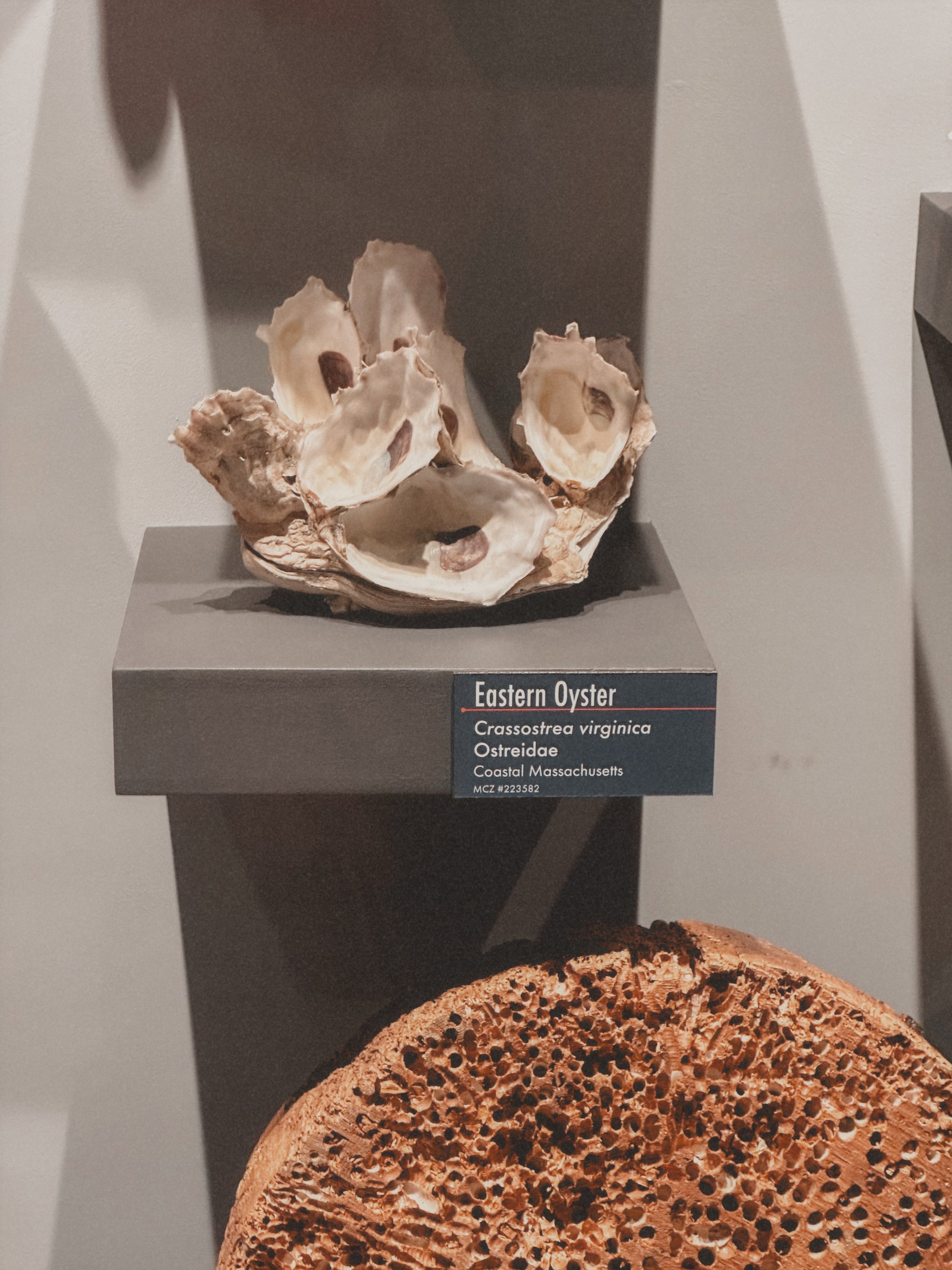
I became fascinated by oysters first, then mussels, through environmental work with the Potomac River and Chesapeake Bay while living in Alexandria, Virginia. Mussel’s remarkable capacity to filter fresh water captured my attention, and the more I learned about them, the more I began to recognize their significance beyond the riverbed. A single mussel could connect natural history, ecological science, public health, environmental policy, and community stewardship. They could tell a story.
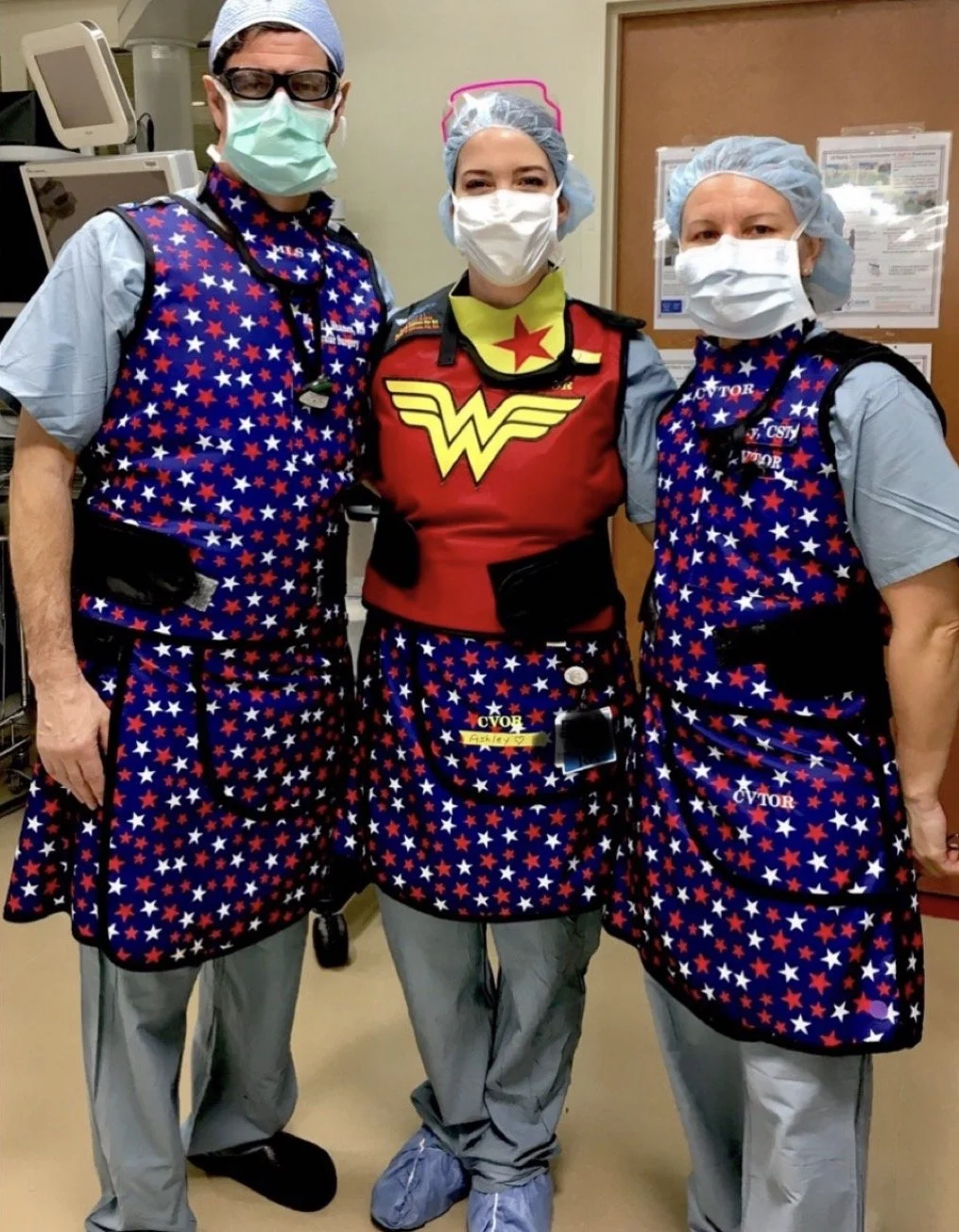
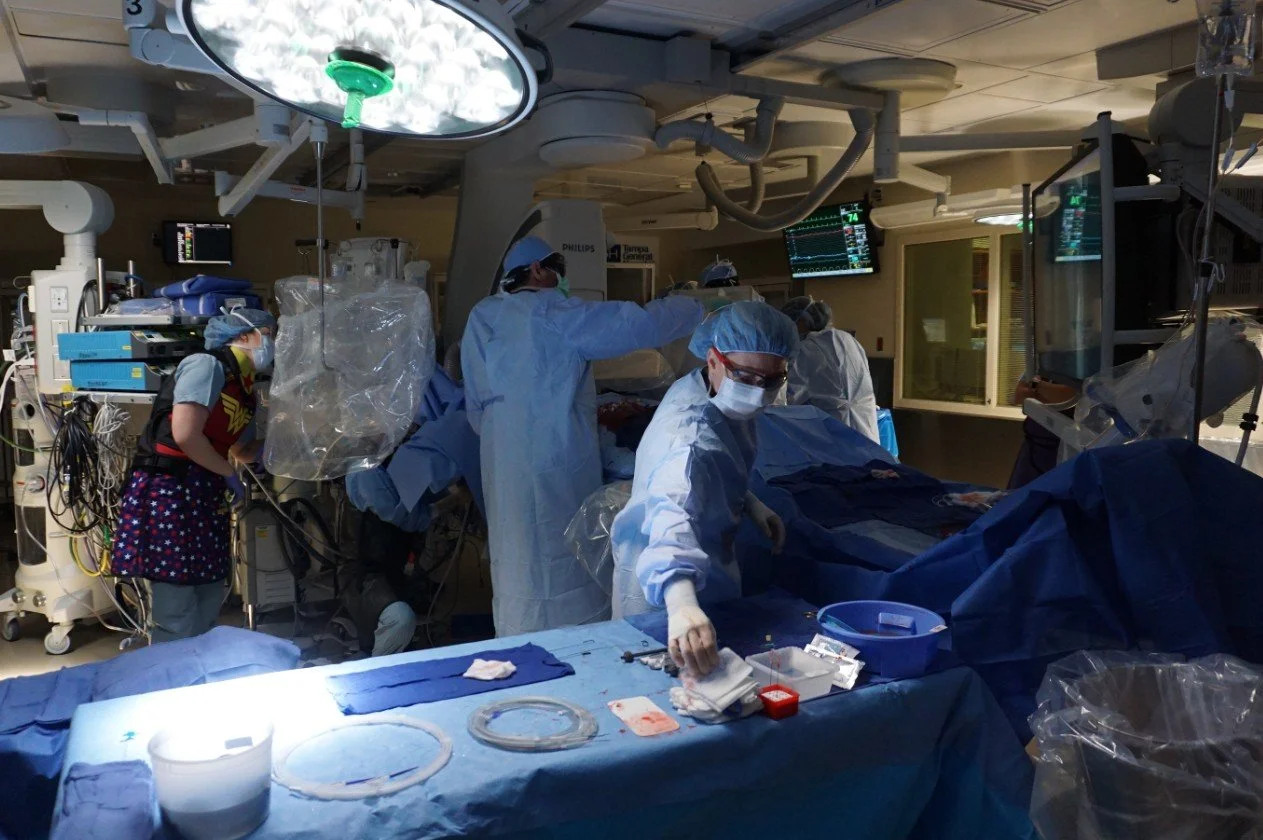
For most of my professional life, I have been trained to observe. In cardiovascular medicine, a minor change can be critical. Observations are carefully documented, documentation becomes evidence, and patterns emerge as information accumulates. Those patterns must then be interpreted, communicated, and translated to make decisions that may profoundly affect another person’s life.
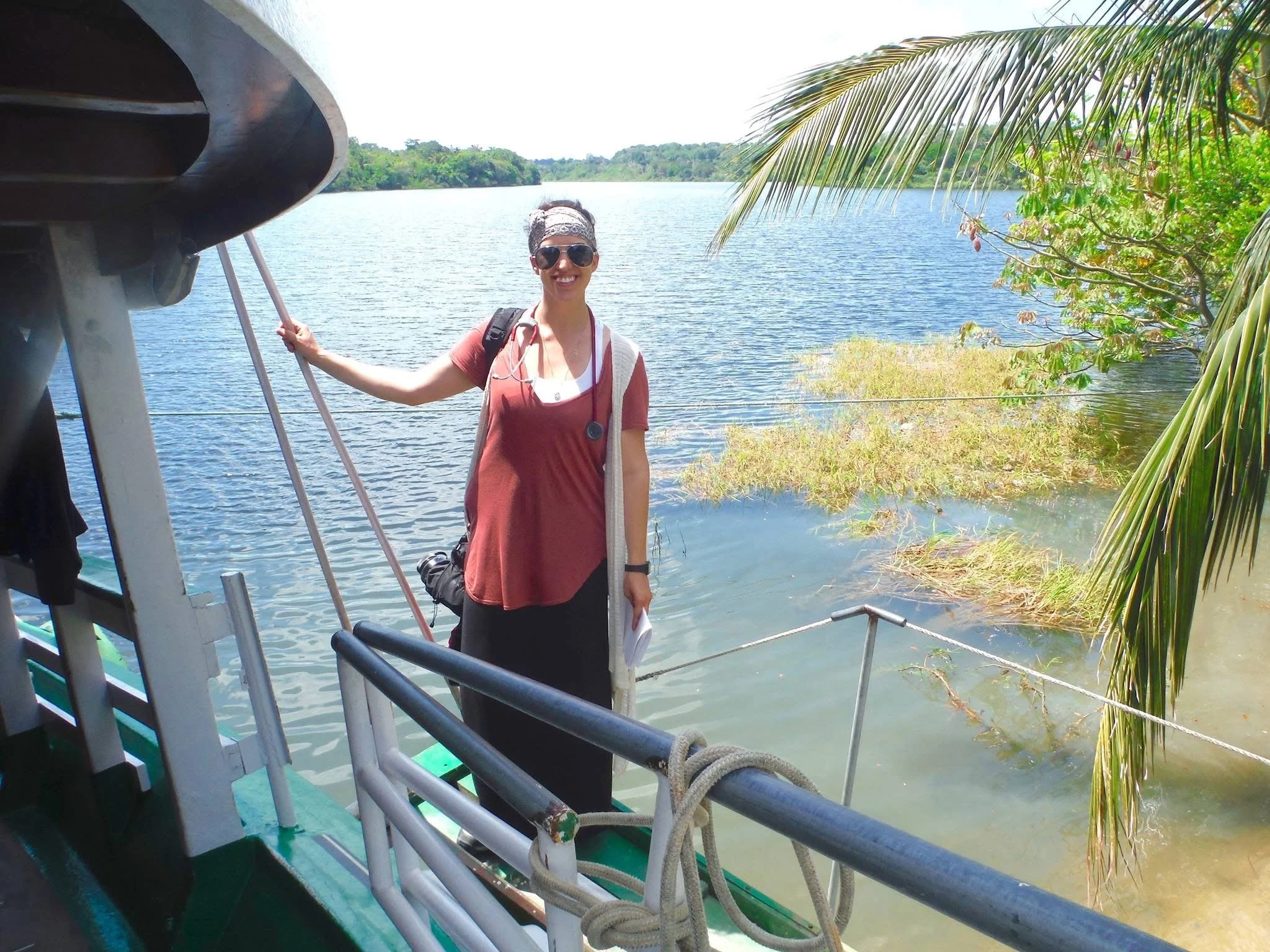

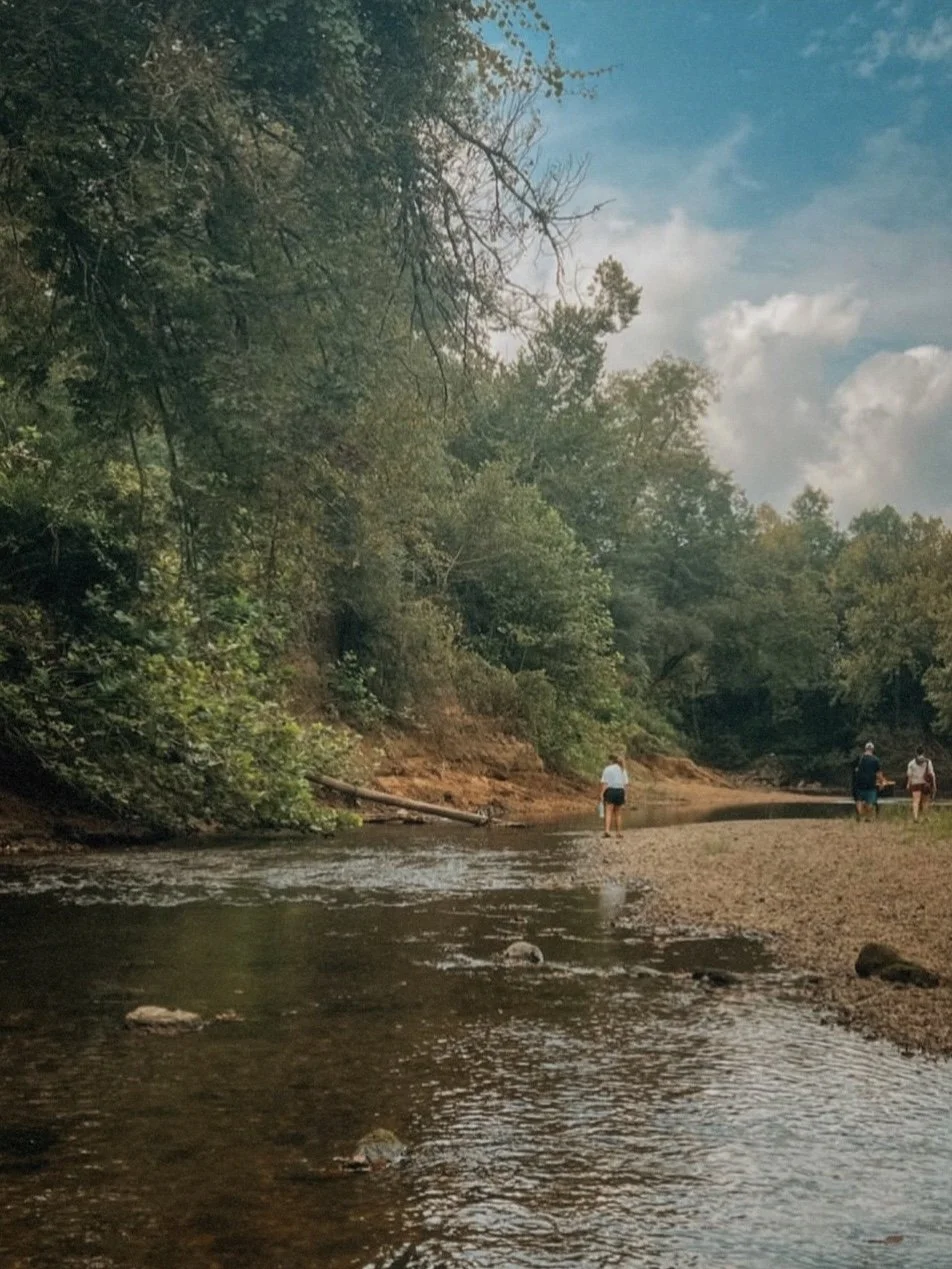
Standing in rivers, I began recognizing the same architecture of knowledge around me. Like human bodies, rivers are dynamic systems that continuously produce information. Their chemistry, temperature, sediment, organisms, flow, and surrounding landscapes reflect conditions that may change within hours, or, remain evident across decades. Understanding these variations requires careful observation, reliable documentation, and the ability to recognize relationships among seemingly disparate findings.
Yet, evidence alone rarely determines what happens next. Scientific findings must reach communities, journalists, regulators, donors, conservation partners, and decision-makers in ways that they can understand and trust. The movement of knowledge from observation to interpretation, and ultimately to informed action, has become central to my interest in environmental science communication.
My path into this field has been unconventional, although the connections have become increasingly clear to me.
More than a decade in nursing taught me to document carefully, recognize patterns, communicate technical information accurately, and collaborate across disciplines. It instilled discipline and an understanding of the consequences that can follow when information is collected inaccurately, interpreted incorrectly, or communicated poorly.
Graduate study in Museum Studies introduced another dimension to these responsibilities: the practice of public interpretation. Museums ask us to consider how objects, specimens, collections, and scientific findings acquire meaning beyond the institutions that study and preserve them; more recently, how to tell deeper and more accurate stories than the narratives that were originally written. A freshwater mussel, for example, may hold considerable scientific value to the researcher who collects it. Through thoughtful interpretation, that same specimen can become meaningful to someone encountering it for the first time, inspiring curiosity, understanding, and perhaps a personal investment in the river from which it came.
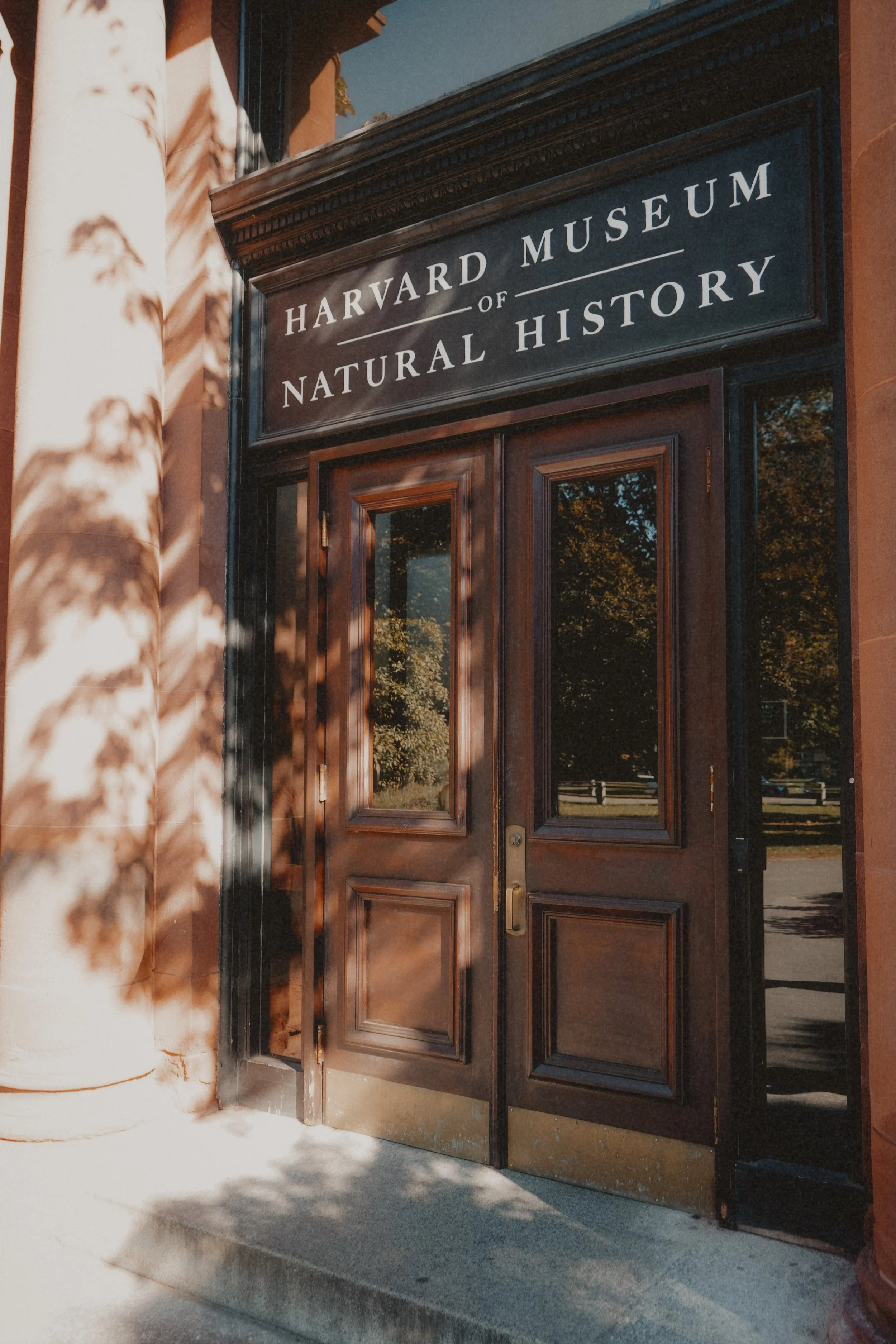
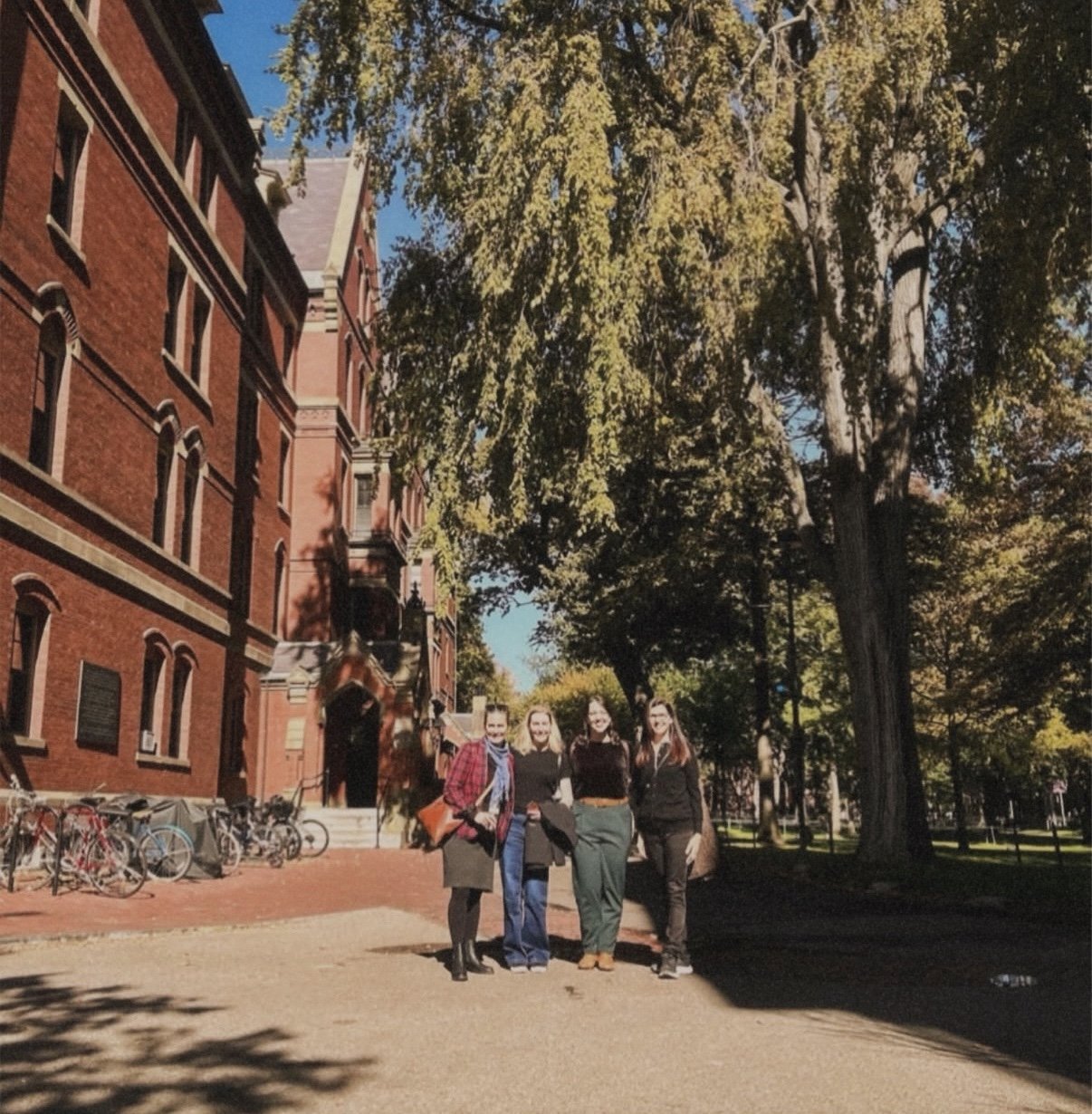
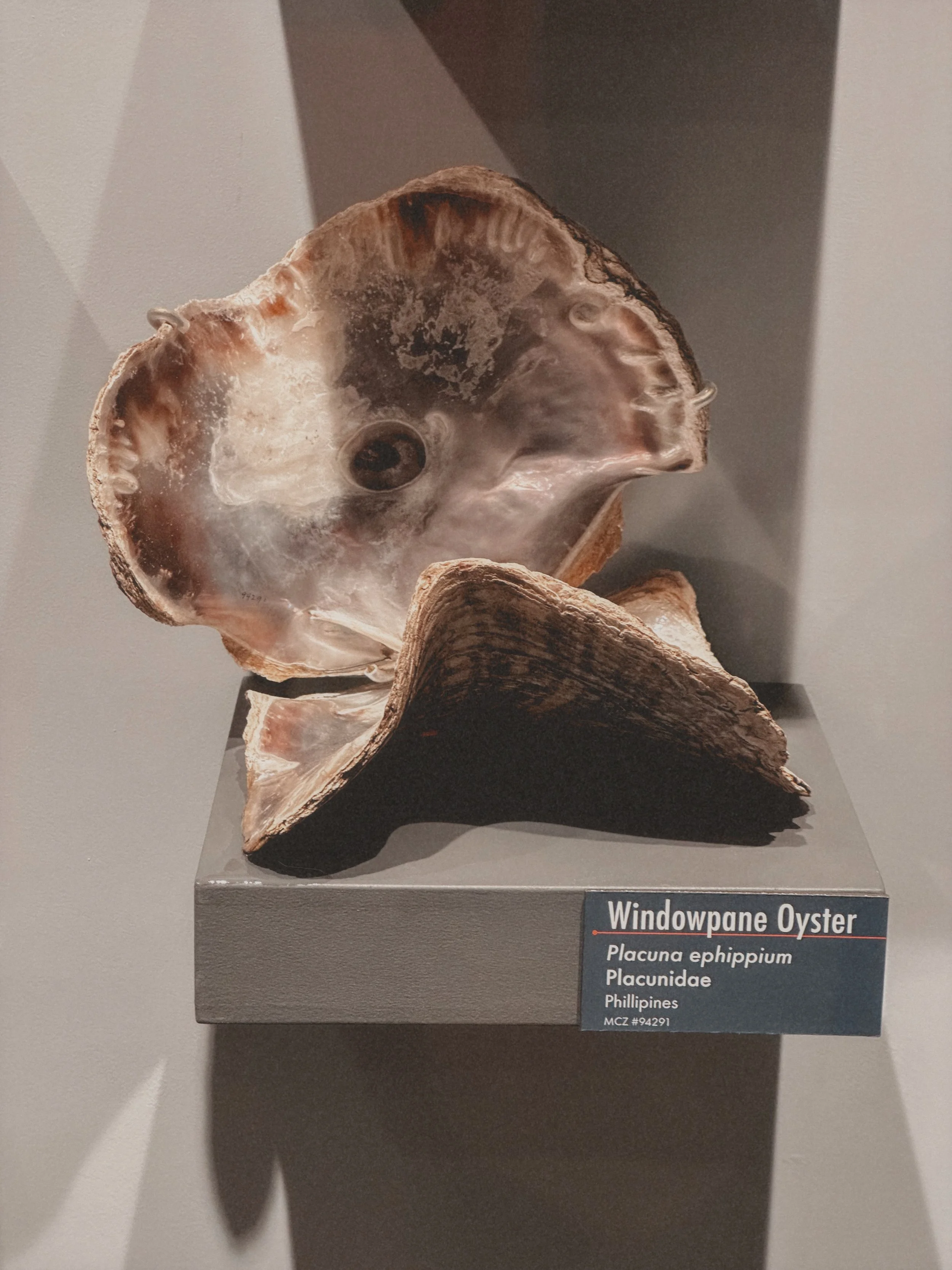
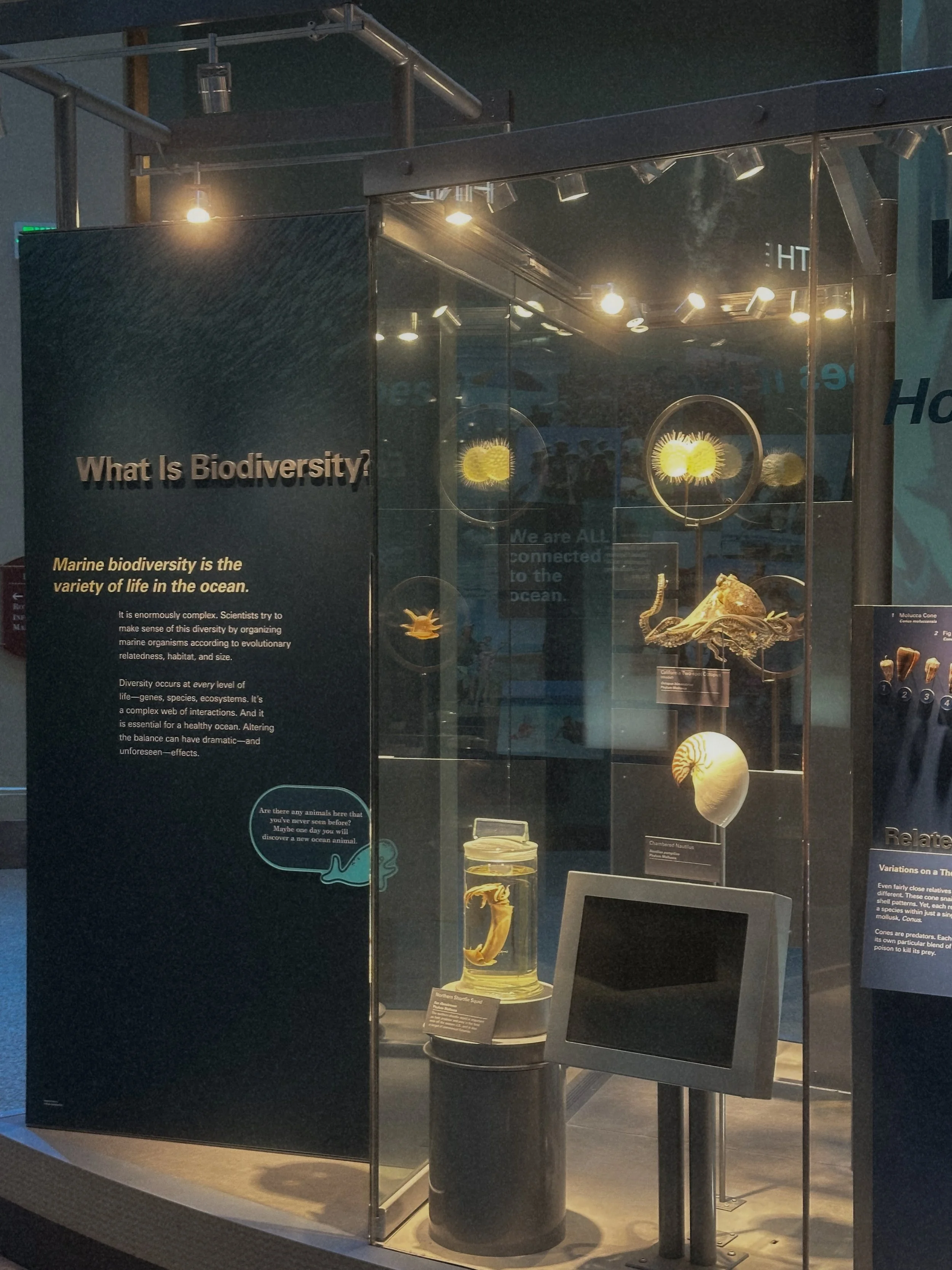
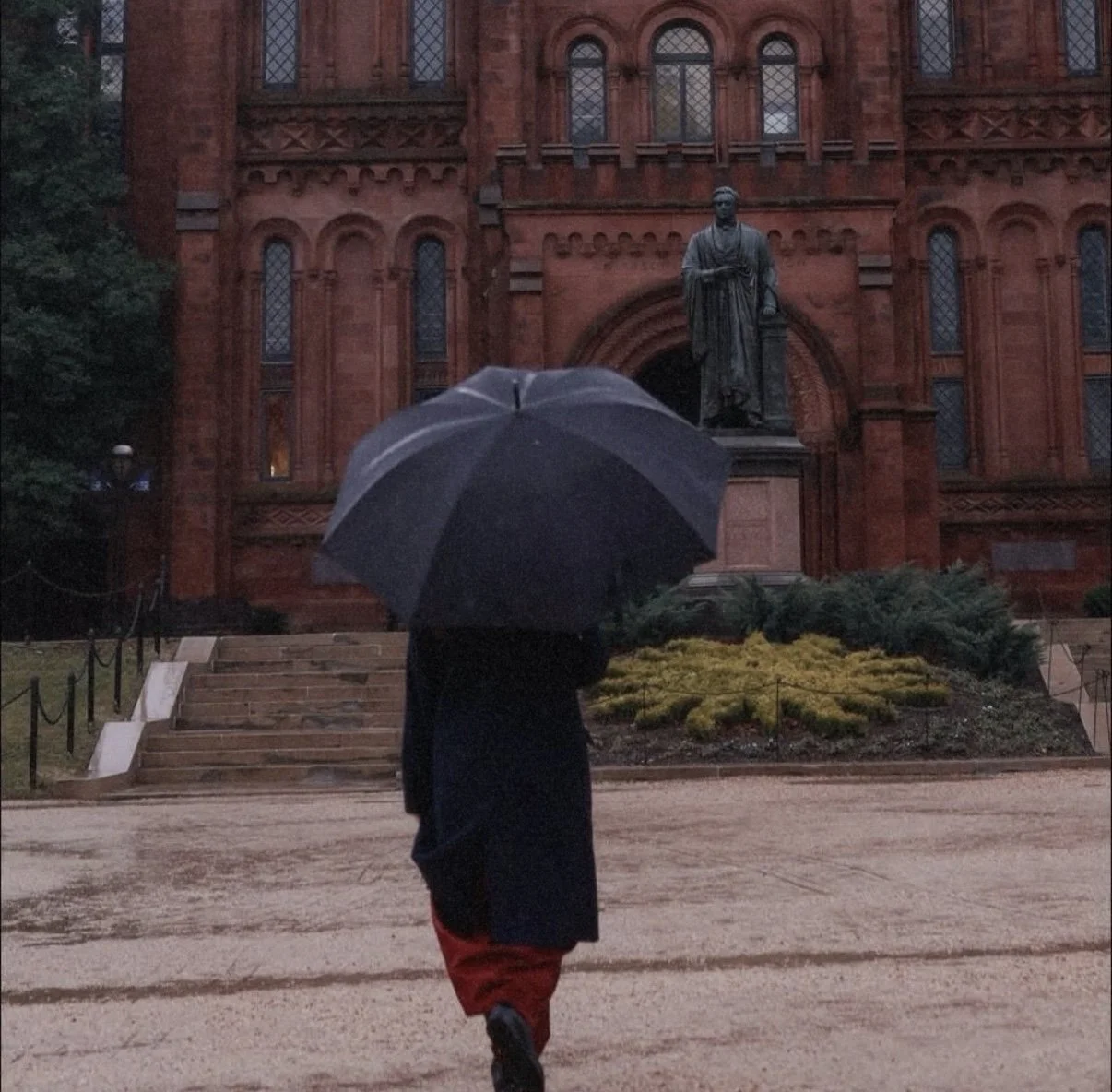
My environmental education developed through nearly six years of field experiences, informal mentorship, and sustained engagement with watershed conservation. Riverkeepers Dean Naujoks and David Butler introduced me to the relationships among water-quality monitoring, environmental advocacy, and community stewardship. More recently, opportunities to learn from Alabama Audubon’s Dr. R. Scot Duncan, and malacologists, Dr. Paul Johnson and Dr. Carla Atkinson, have expanded my understanding of Alabama’s remarkable freshwater biodiversity. My studies through Auburn University’s Alabama Master Naturalist program, together with mentorship from naturalists associated with local environmental organizations, have further enriched the ways I observe and understand the natural world.
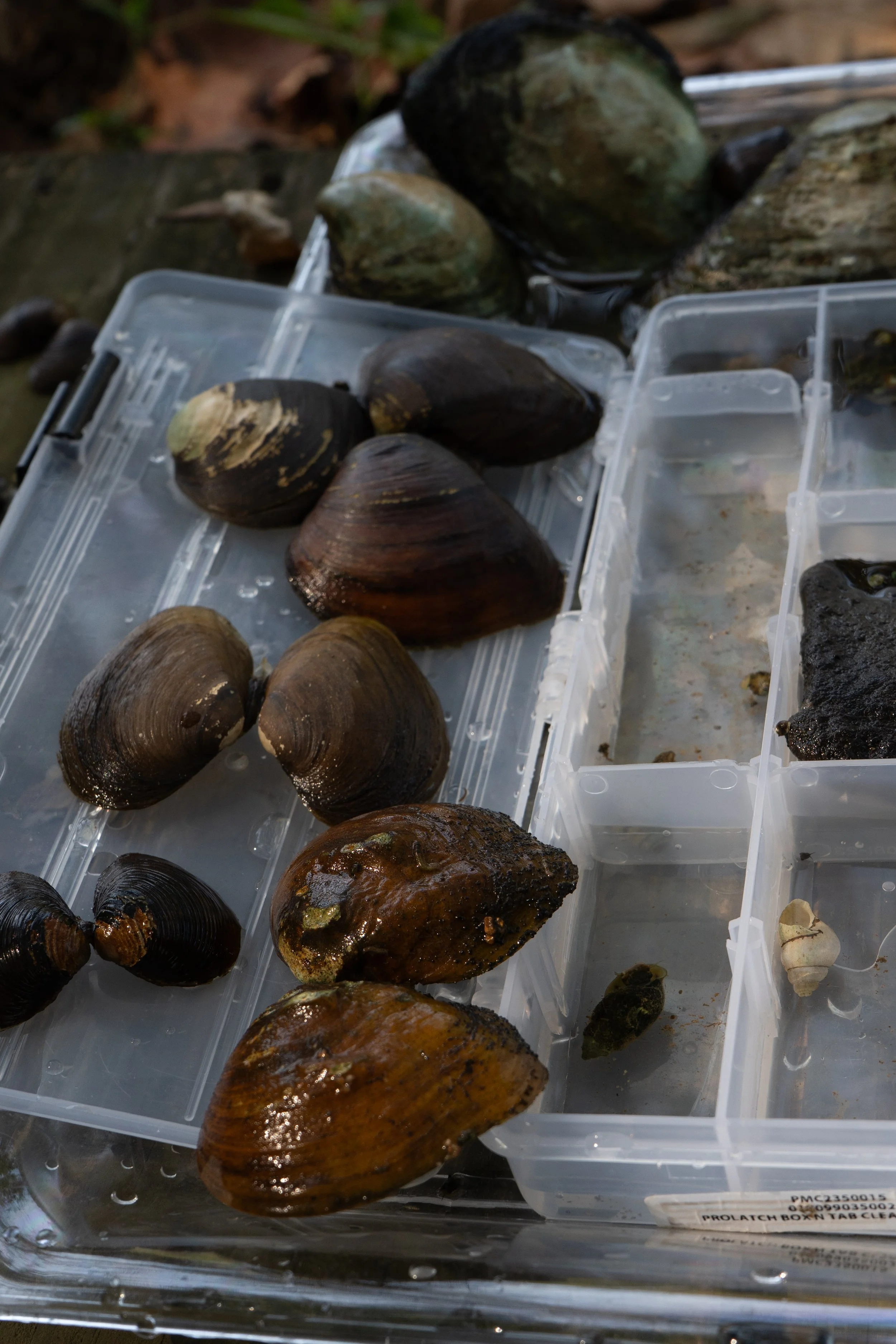
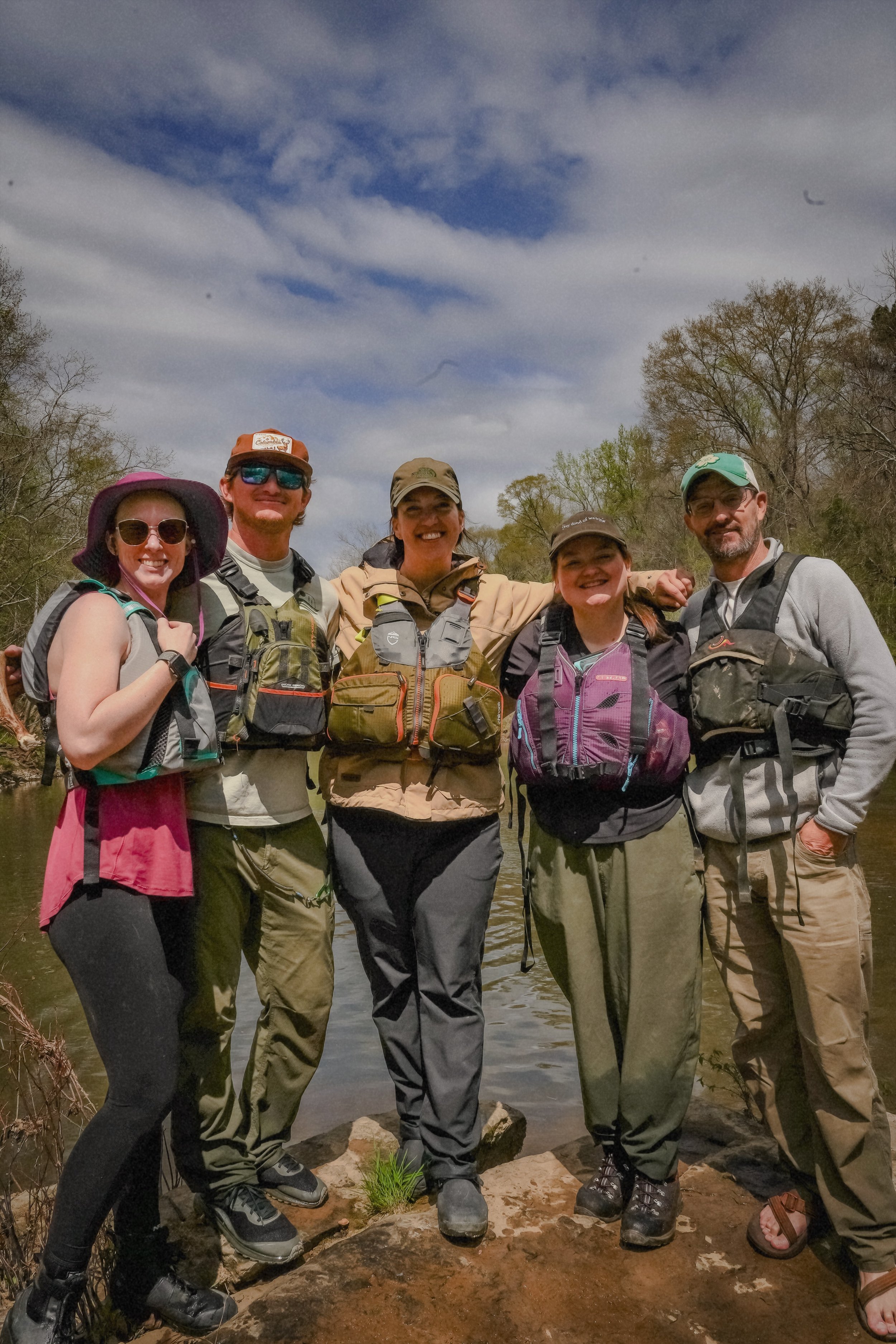
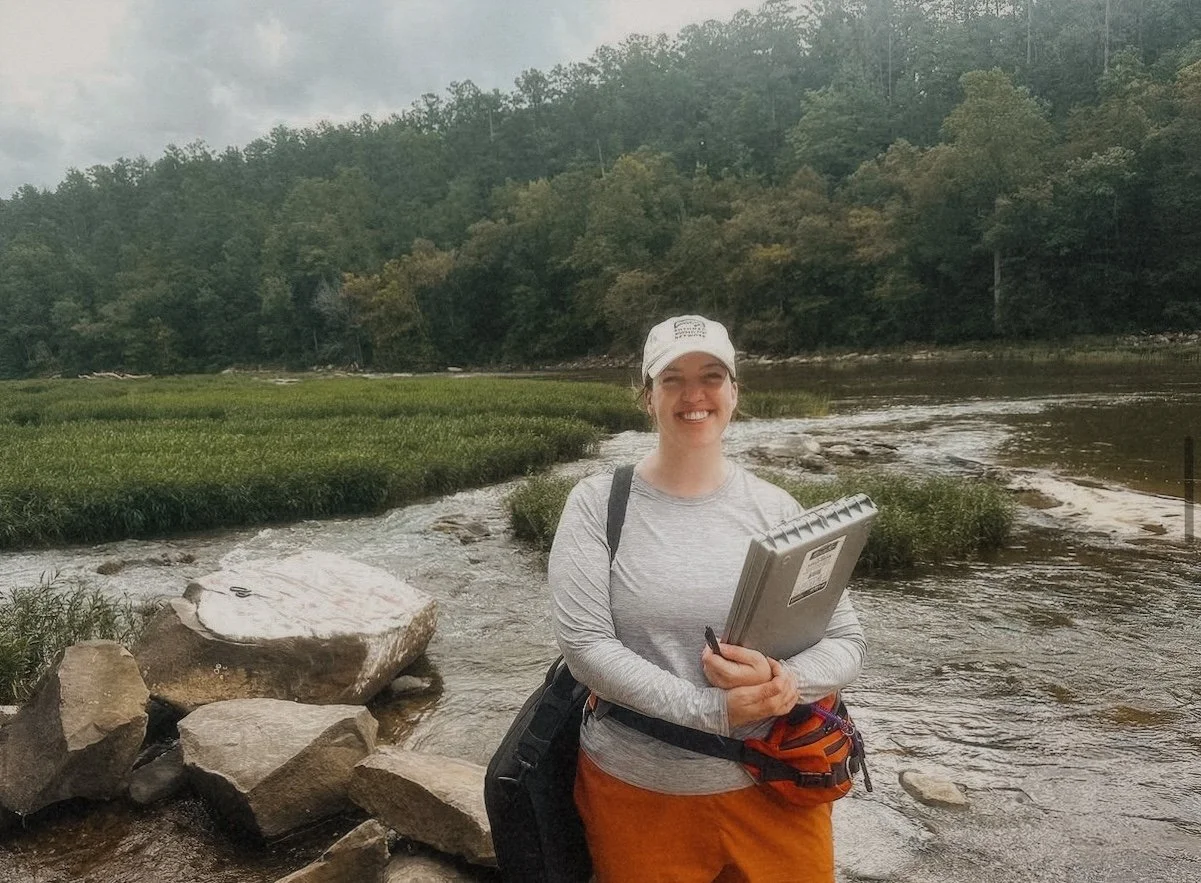
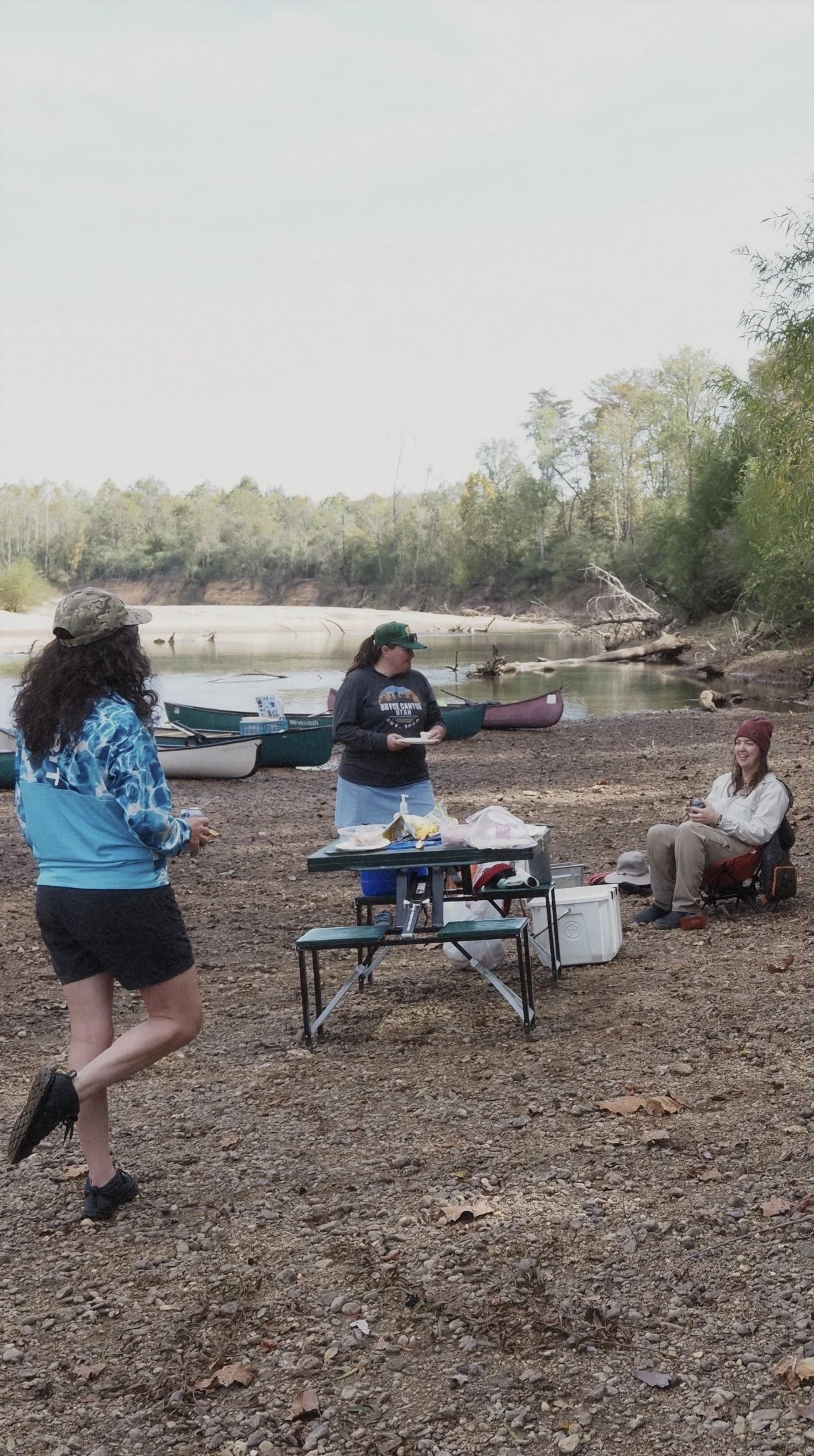
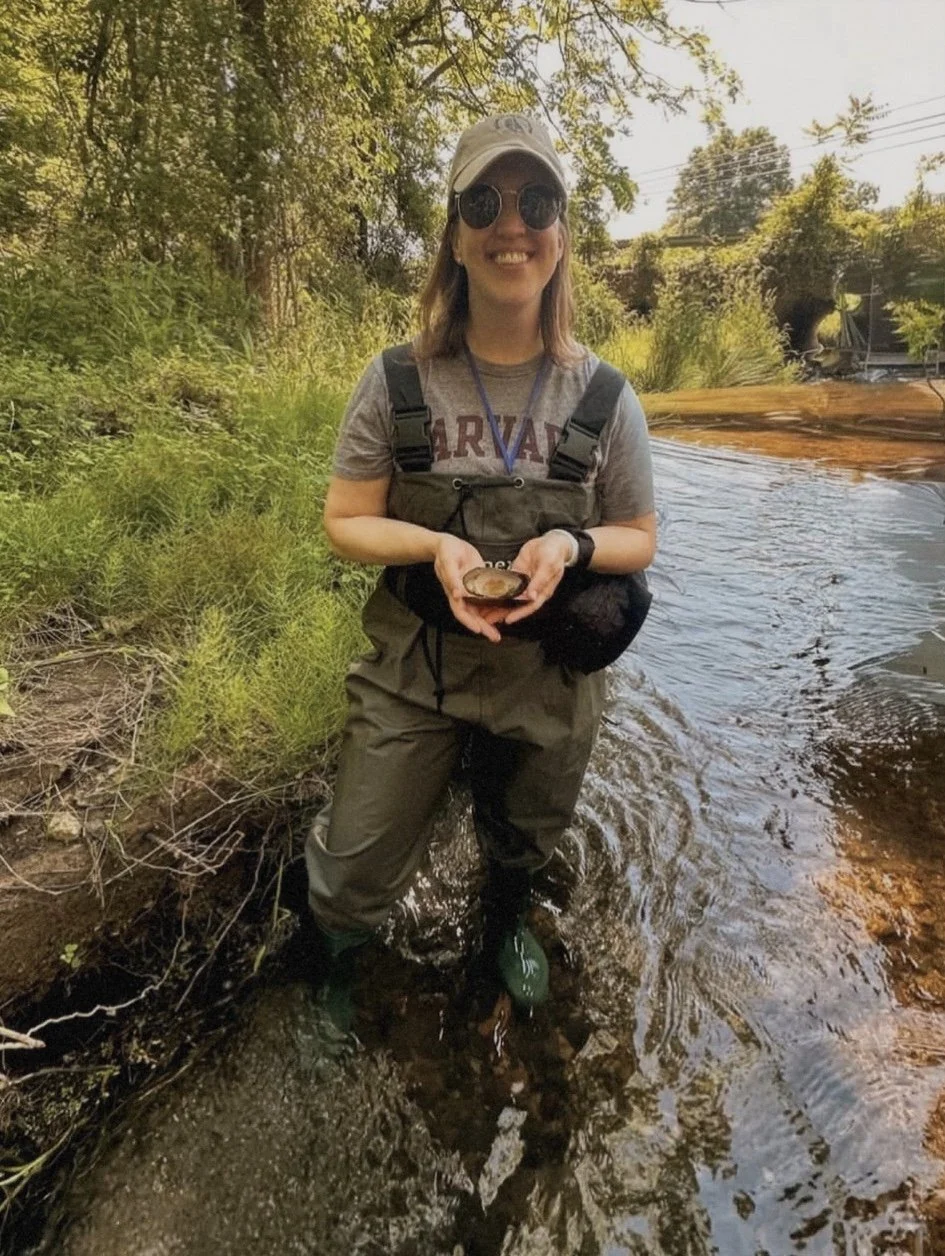
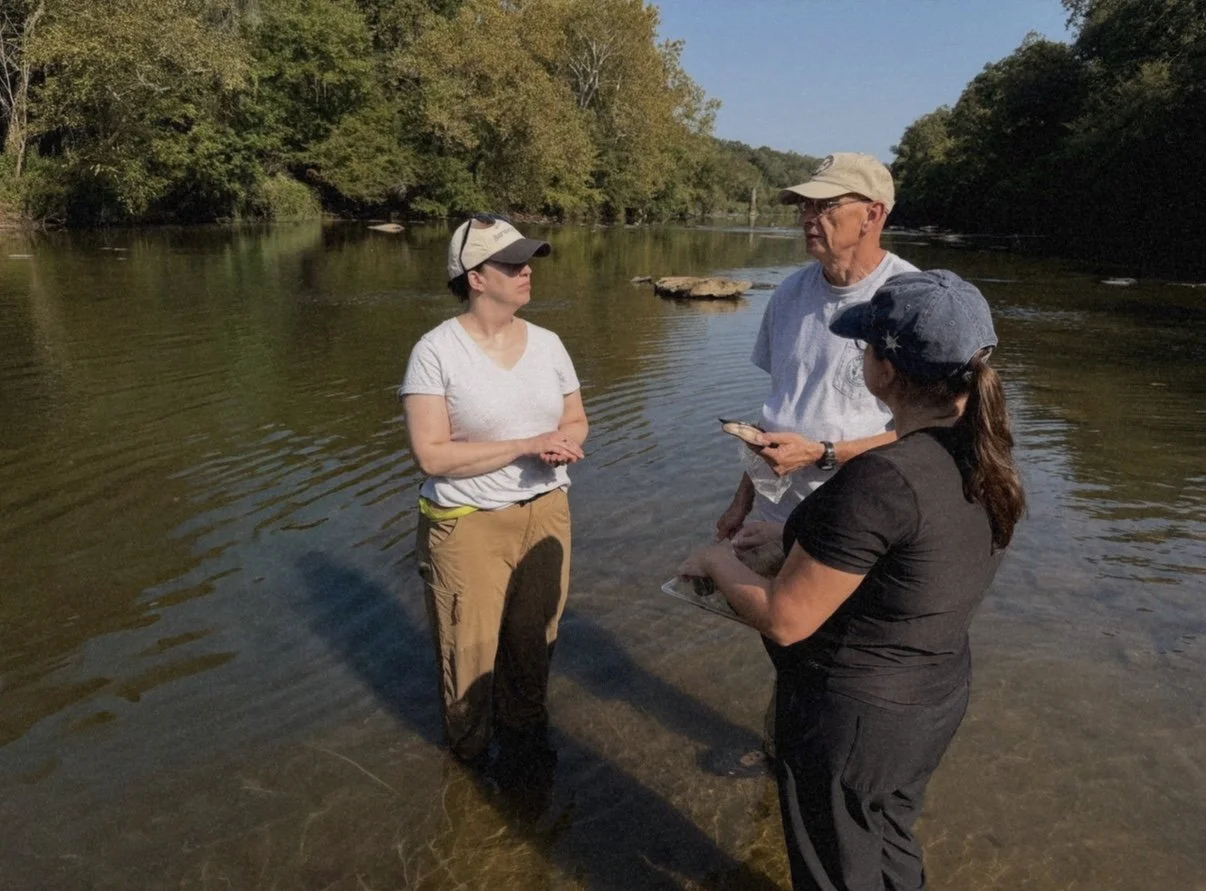
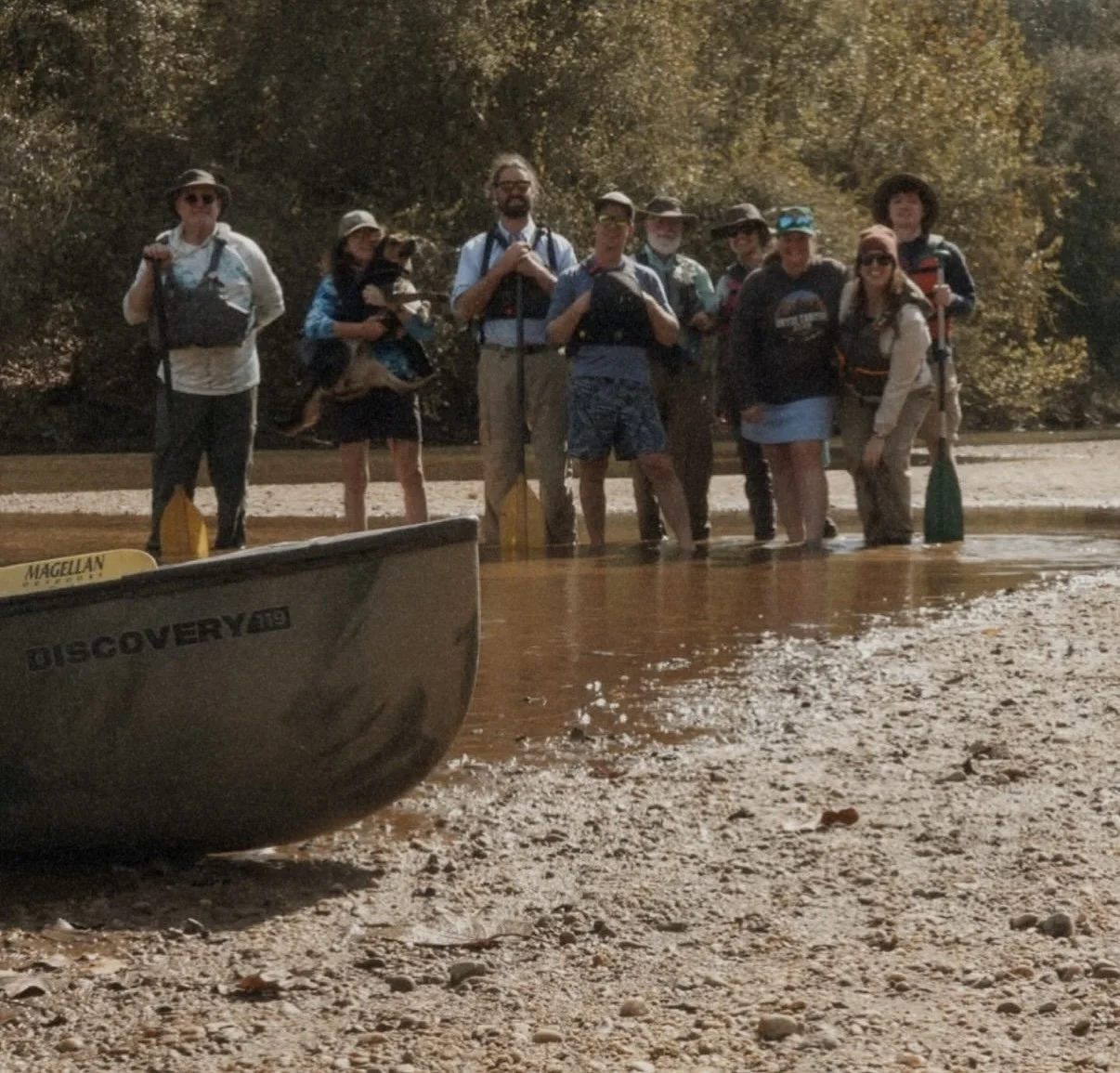
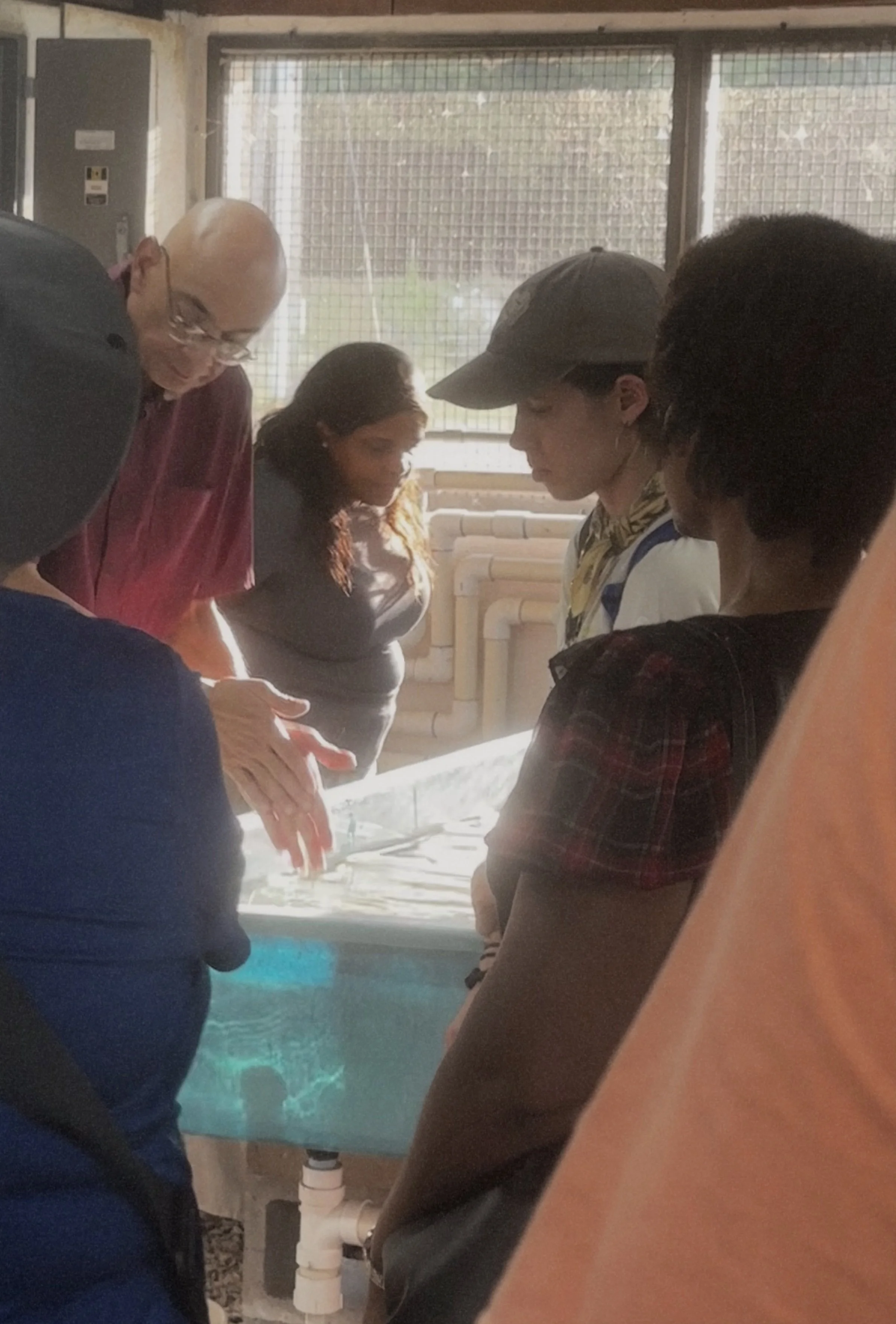
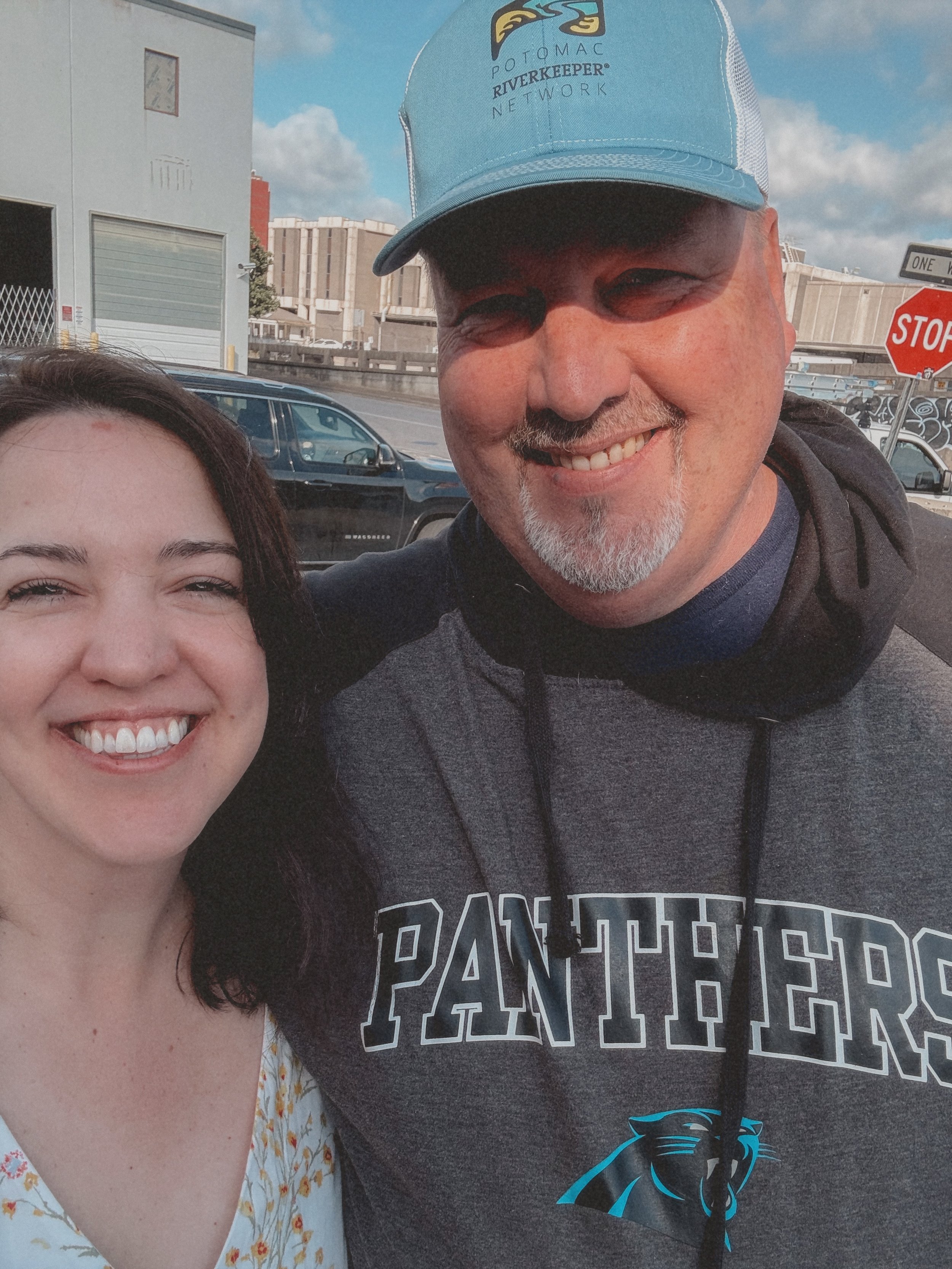
Each of these relationships has introduced me to a different way of knowing a watershed. Collectively, they have shown me how scientific knowledge develops through observation, collaboration, historical records, field research, and the exchange of expertise.
Books and documentary storytelling have been equally influential in shaping how I understand the responsibilities of environmental communication.
John Cronin and Robert F. Kennedy Jr.’s The Riverkeepers introduced me to the ways sustained attention to a single waterway can develop into civic stewardship, environmental advocacy, and long-term institutional accountability. Dan Fagin’s Toms River demonstrated how environmental science, epidemiology, industrial activity, scientific uncertainty, and community experience can converge around questions of public health and regulation.
Documentaries such as After the Storm and Upstream, Downriver: Uniting for Water Justice offered further examples of how visual storytelling can bring watershed science and environmental justice into public conversation. More recently, Chemical Town, presented through Alabama Rivers Alliance’s Southern Exposure Film Fellowship, brought similar questions to light in Alabama, examining the relationships among industrial activity, waste disposal, drinking water, public health, environmental regulation, and the experiences of affected communities.
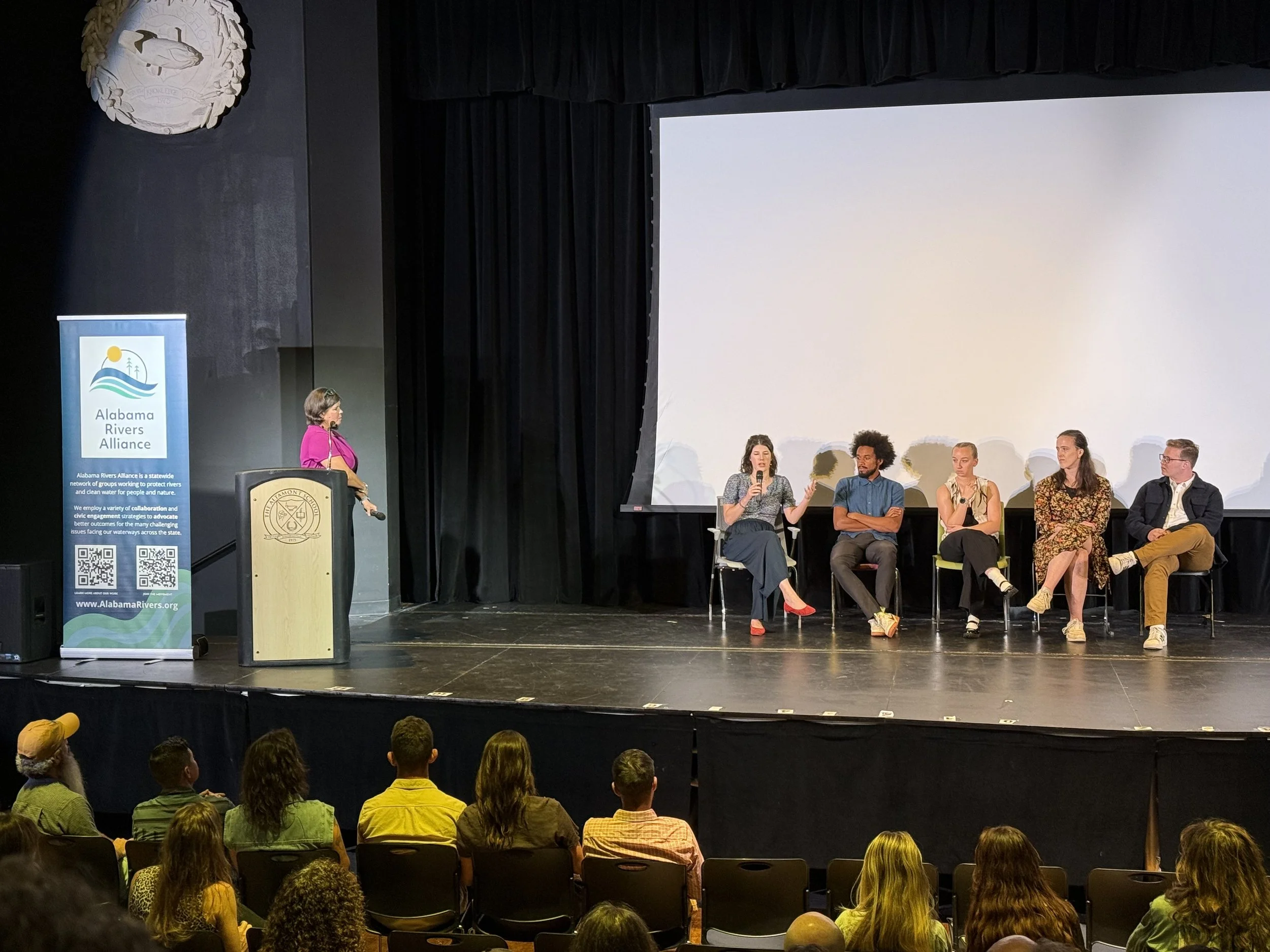
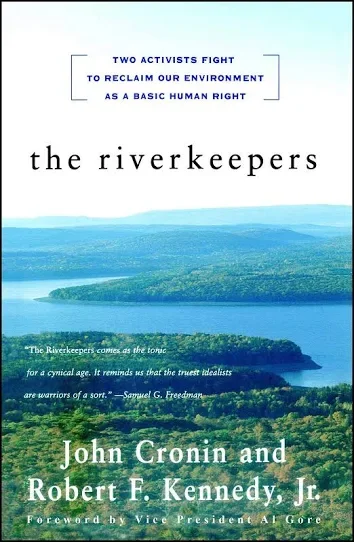
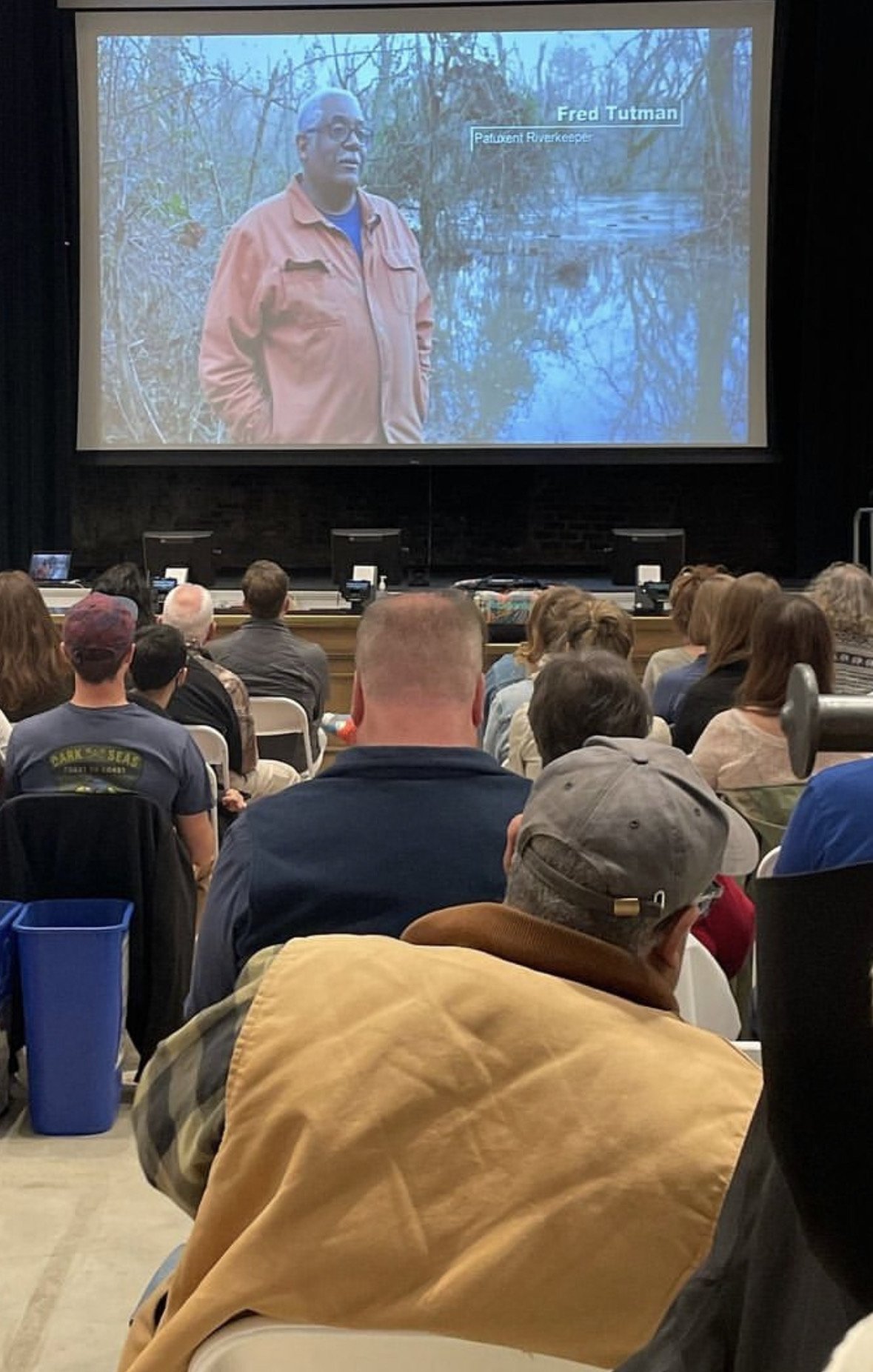
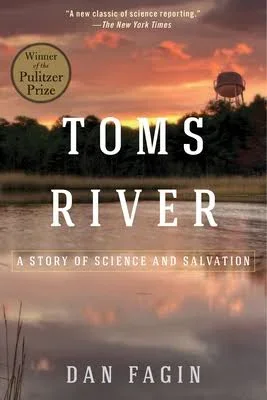
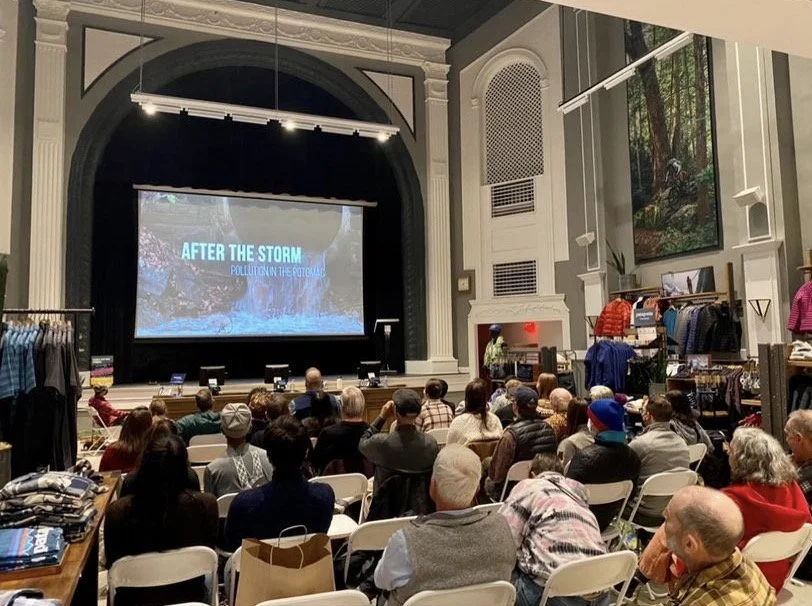
These works have stayed with me because they translate rigorous scientific evidence into human experience while preserving the integrity of the science itself. They demonstrate that water-quality measurements carry implications for ecological health, neighborhoods, public health, history, economic conditions, environmental policy, and individual lives. I believe effective environmental science communication should aspire to this standard.
Freshwater mussels remain one of the clearest examples of this philosophy for me. A mussel can be a natural-history specimen, an ecological indicator, a subject of scientific research, a record of environmental change, or an important participant in restoration efforts. It can also provide an accessible introduction to the complex relationships that sustain an entire watershed.
One of my favorite examples of environmental interpretation is a simple demonstration involving a divided aquarium. River water is poured into both compartments, and live freshwater mussels are introduced into only one. As the mussels filter suspended particles from the water, their compartment gradually becomes noticeably clearer, while the other remains murky. The demonstration makes an ecological process visible. Observers can witness the filtering activity of freshwater mussels firsthand and begin to appreciate the work performed by organisms that often remain hidden beneath the riverbed. A biological function that might otherwise be explained through measurements, diagrams, or scientific terminology becomes something immediate and memorable.
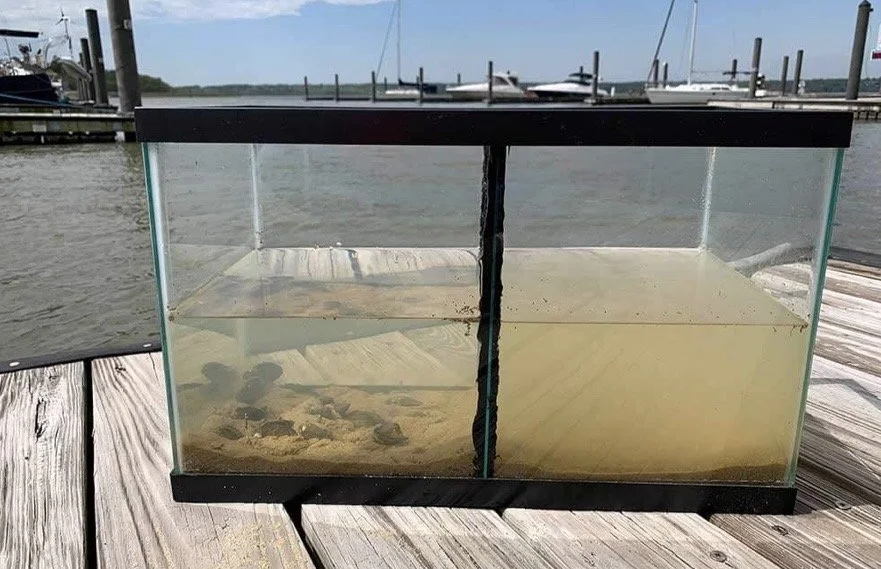
Of course, the clarity of water alone cannot establish its ecological health or safety. The demonstration offers something equally valuable: an invitation to ask why these organisms matter, what conditions they require to survive, and what their presence might reveal about the health of a river.
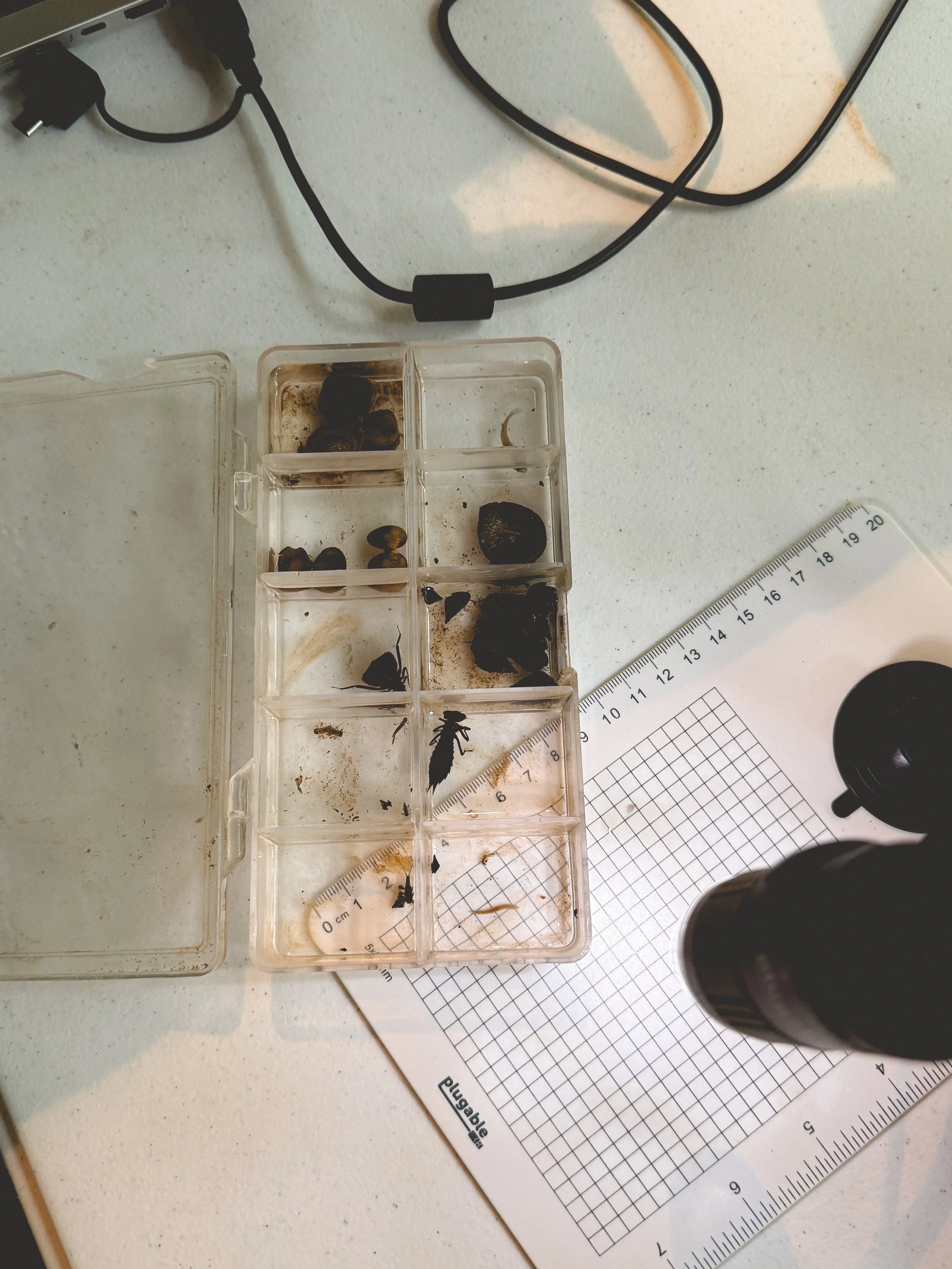
Field experiences with Dr. Paul Johnson and Dr. Carla Atkinson, Cahaba River Coalition, and Jefferson County Greenways have deepened my interest in malacology and the ecological significance of Alabama’s freshwater biodiversity. Studying aquatic macroinvertebrates has reinforced the importance of biological evidence in environmental monitoring. While an individual chemical sample captures conditions at a particular moment, the composition of a biological community can offer insight into environmental conditions experienced over time. Species diversity, abundance, and distribution contribute to a more comprehensive understanding of a stream’s ecological condition.
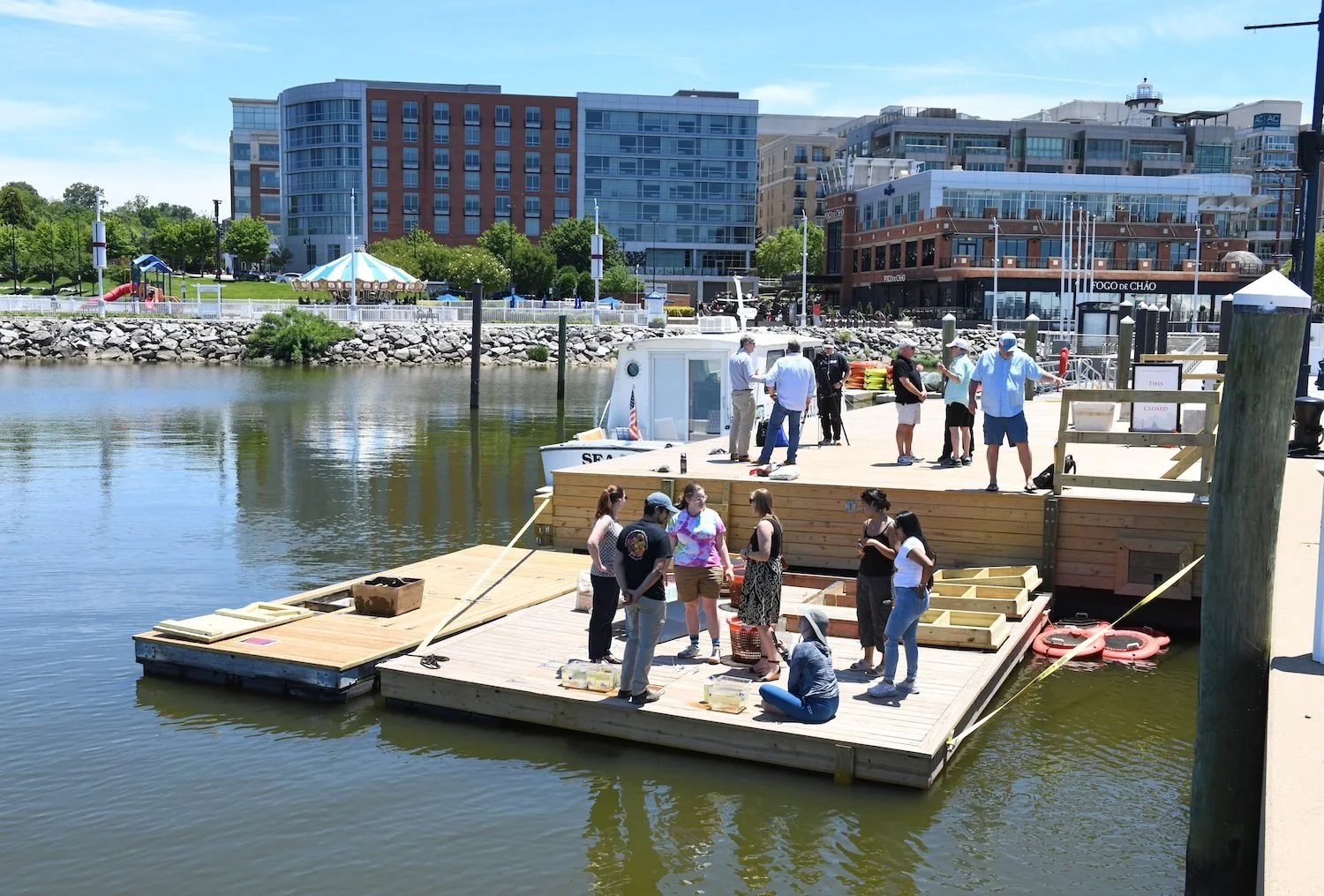
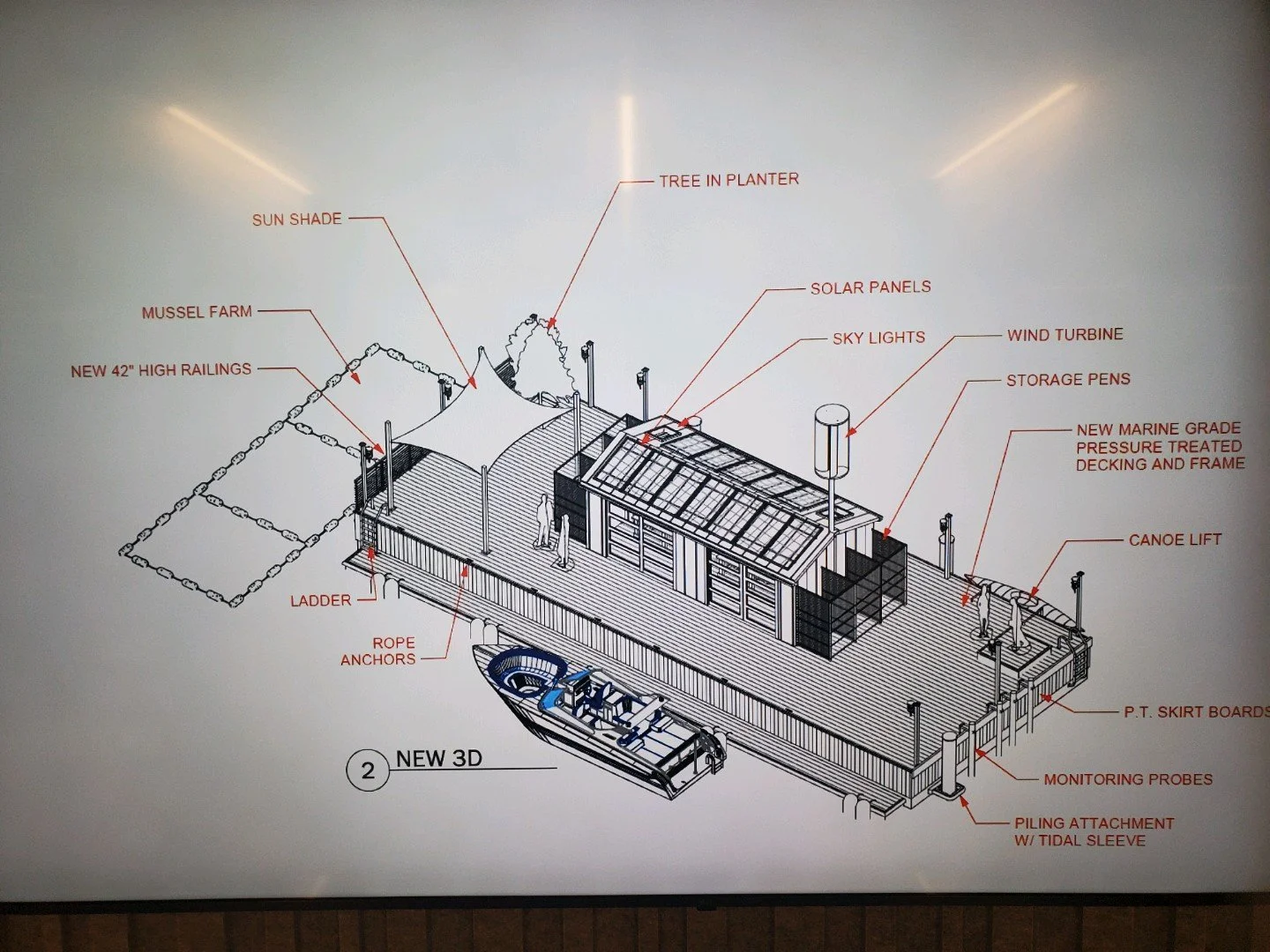
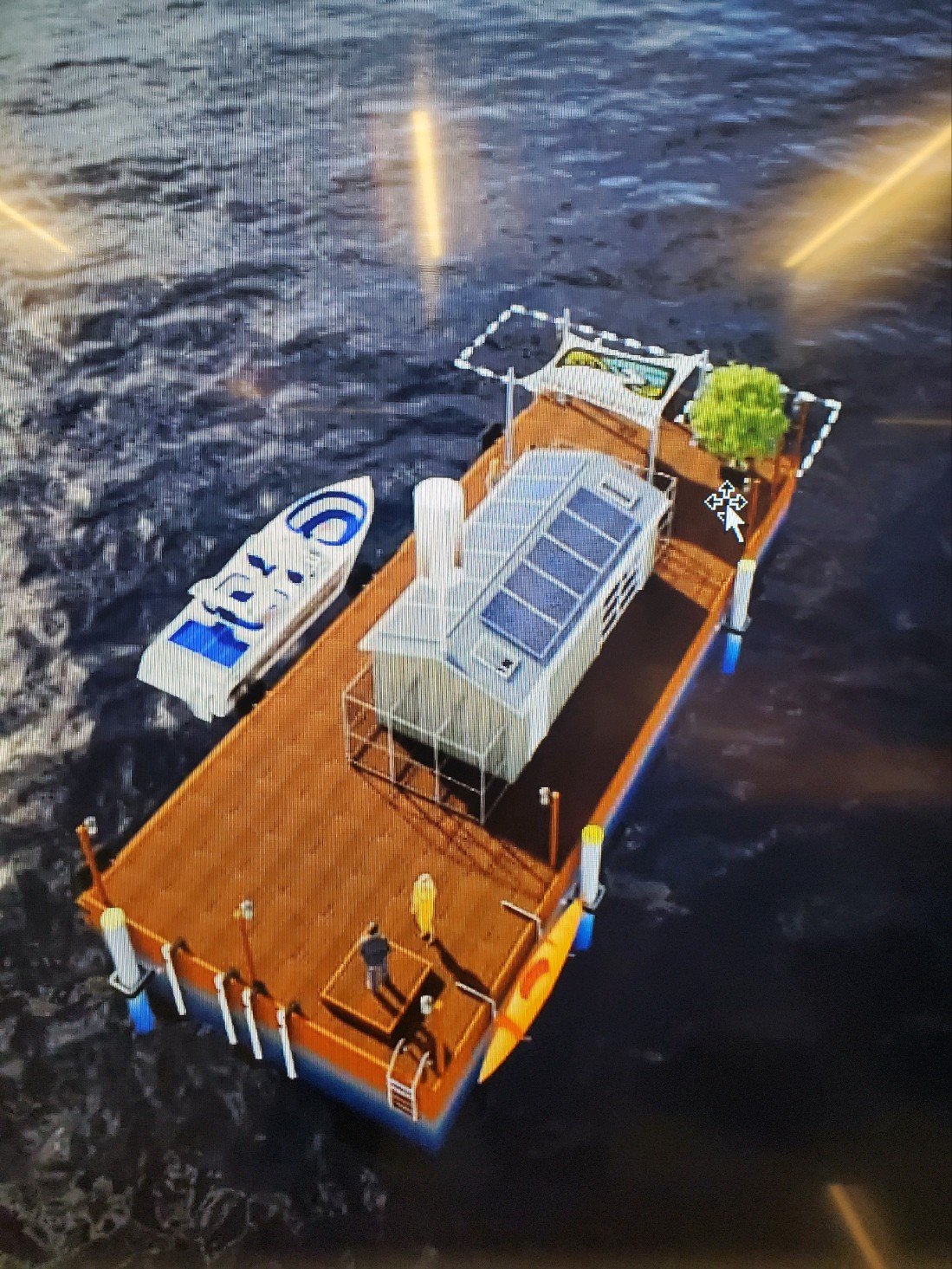
These observations have also encouraged me to consider what happens to scientific evidence after it leaves the field. The Potomac River offers a compelling example that I witnessed develop in real time. Environmental monitoring and advocacy surrounding legacy industrial contamination in Alexandria entered the legal system, with resources from a resulting settlement directed toward freshwater mussel restoration. During my involvement with Potomac Riverkeeper Network, I also watched the organization’s broader mussel initiatives develop from the ambitious vision of 50 Million Mussels into the establishment of a floating science barge at National Harbor, supporting mussel research, restoration, environmental education, and public engagement.
The Alexandria settlement and the Science Barge represent distinct efforts, but together they illustrate the many directions environmental evidence can travel. Scientific observations can inform advocacy, contribute to legal proceedings, support ecological restoration, and inspire new opportunities for research and public education. Over time, these efforts can create lasting infrastructure for understanding and caring for a river.
This progression has become central to how I envision environmental science communication: an organism inspires observation; observation produces evidence; evidence informs action; and action creates new opportunities for scientific inquiry, public understanding, and stewardship. The process is meandering, much like the river itself.
Museum interpretation offers a particularly useful framework for making these connections accessible. Whether someone encounters a freshwater mussel, a historic specimen, a monitoring instrument, a map, a photograph, a water sample, or a field notebook, effective interpretation should help answer five fundamental questions:
1. What am I looking at?
2. What does it tell us about the environment?
3. How do we know?
4. Why does it matter?
5. What can I do with this knowledge?
These questions provide a foundation for communicating science with clarity, accuracy, and purpose. They also encourage audiences to move from curiosity toward understanding, from understanding toward engagement, and from engagement toward sustained stewardship.
I have come to see environmental science communication as an extension of the responsibilities shared by clinicians, naturalists, researchers, curators, and conservationists. Each observes a particular aspect of the world, develops knowledge through evidence, and carries some responsibility for ensuring that knowledge can be understood and used by others.

My own understanding began to take shape through an unlikely subject: a freshwater mussel. What first captured my attention as a fascinating biological organism gradually became a way of understanding the connections among scientific observation, historical knowledge, ecological restoration, public health, and the communities whose lives are intertwined with rivers. A mussel led me into the field. Its story helped me to recognize why communicating the science matters.
The fate of an entire watershed can begin with a mussel.