GRYFFIN STUDIO
by Ashley E. Smith

“Those who contemplate the beauty of the earth find reserves of strength that will endure as long as life lasts.”
~Rachel Carson
Environmental Communication | Natural History | History of Science
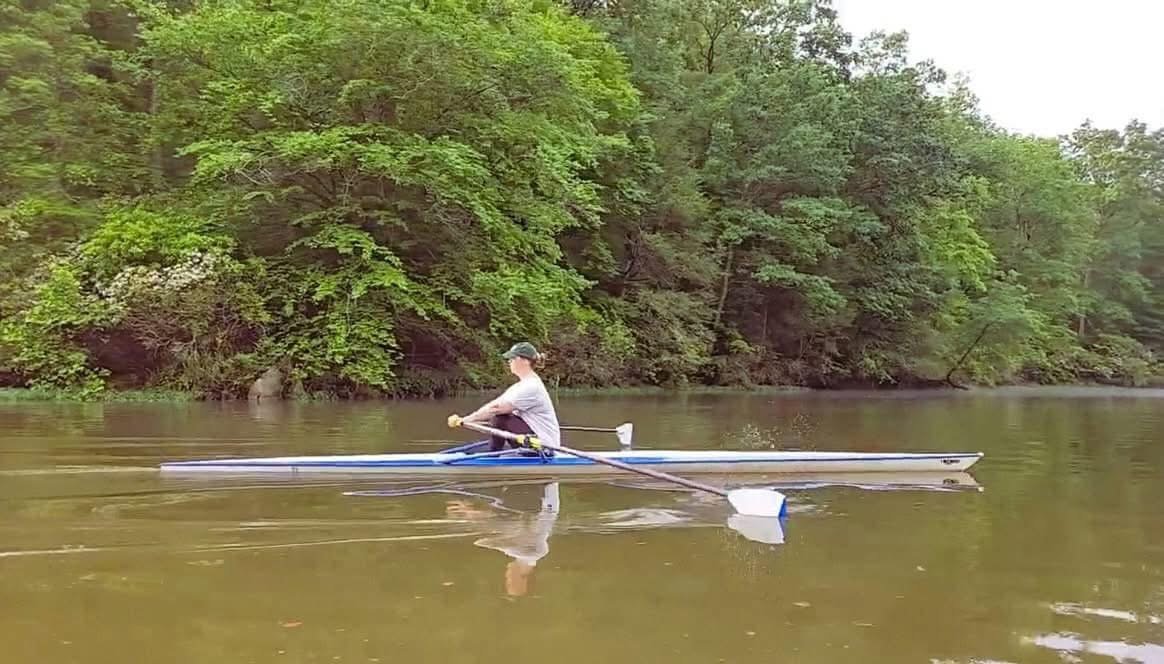
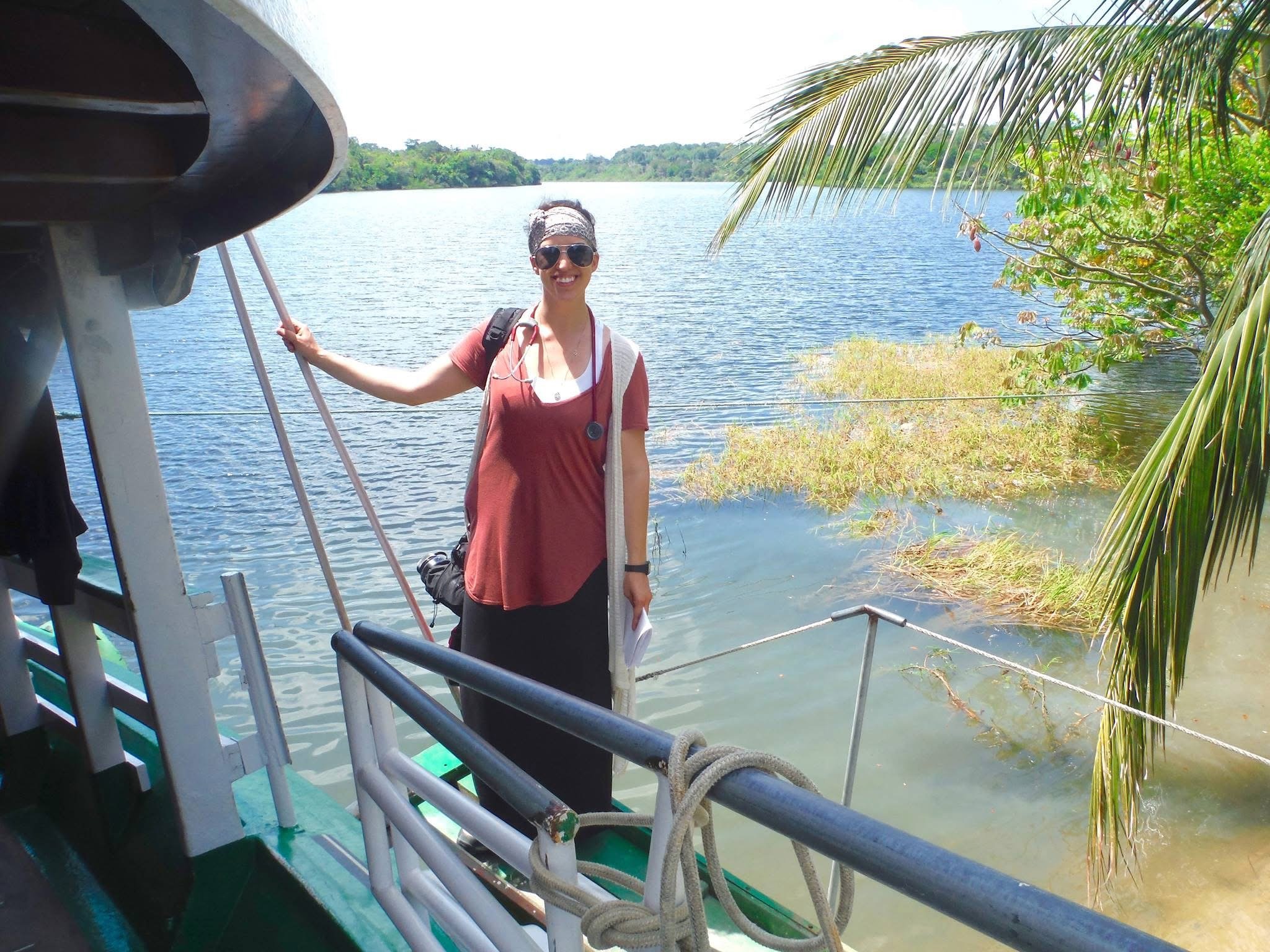
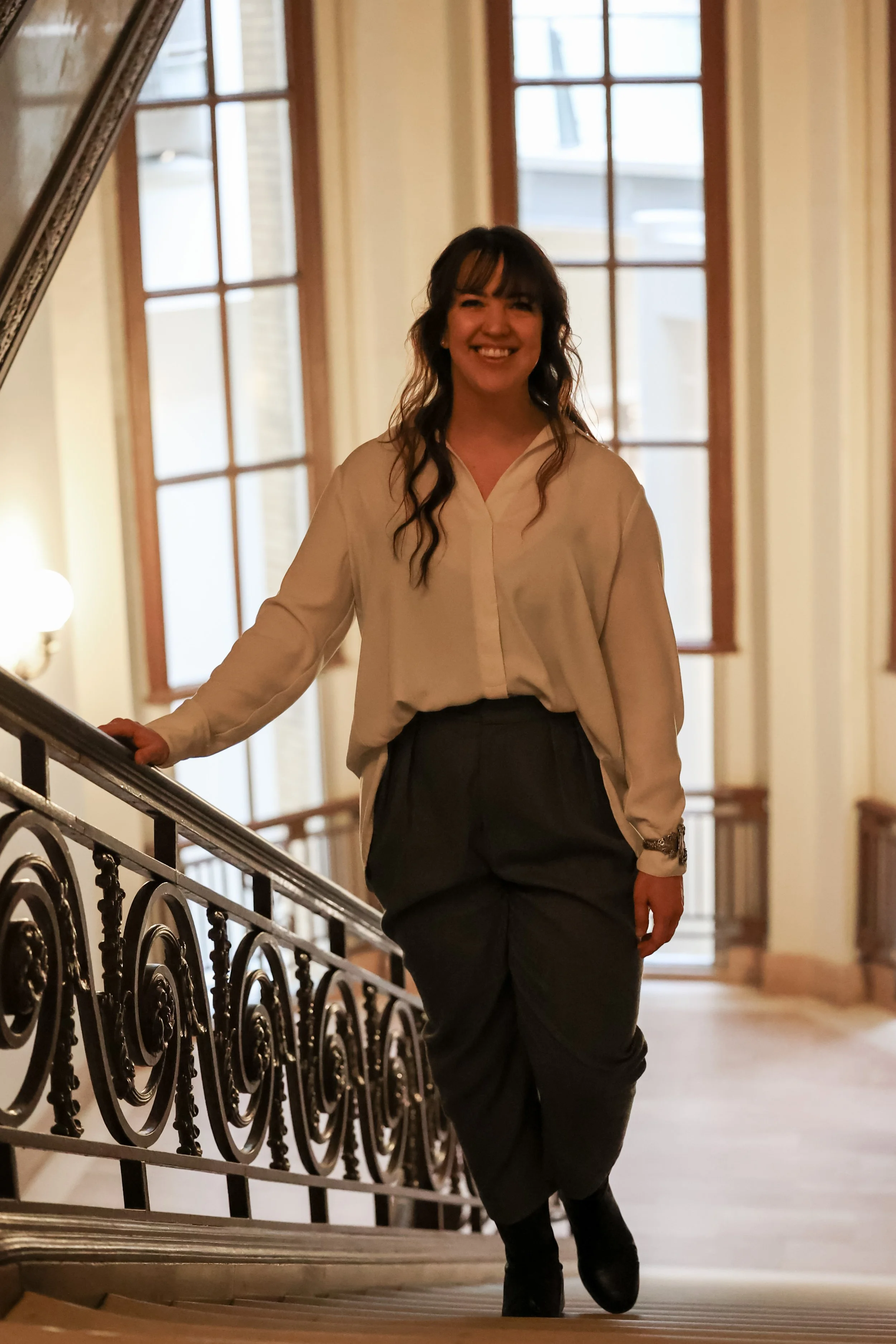
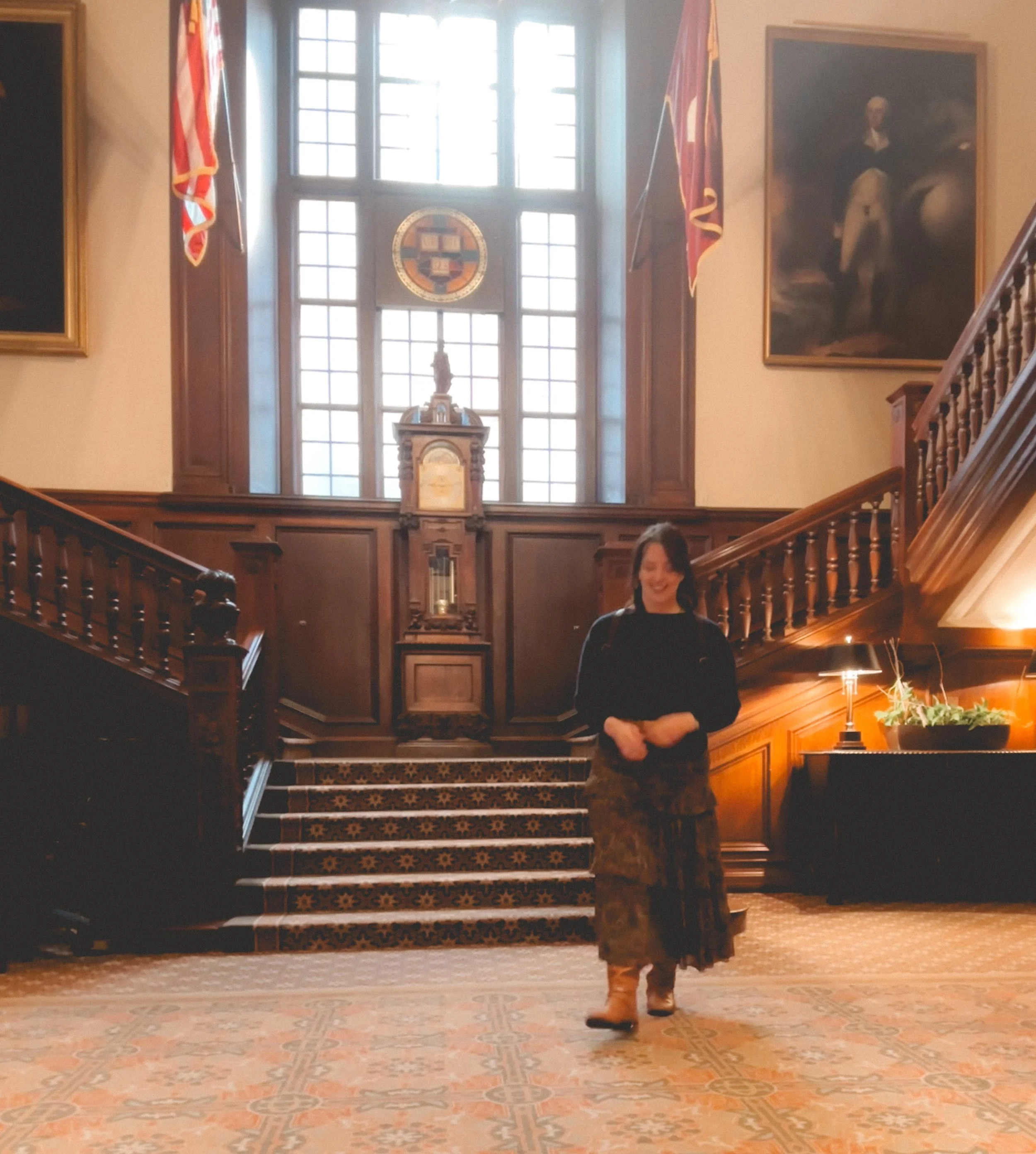
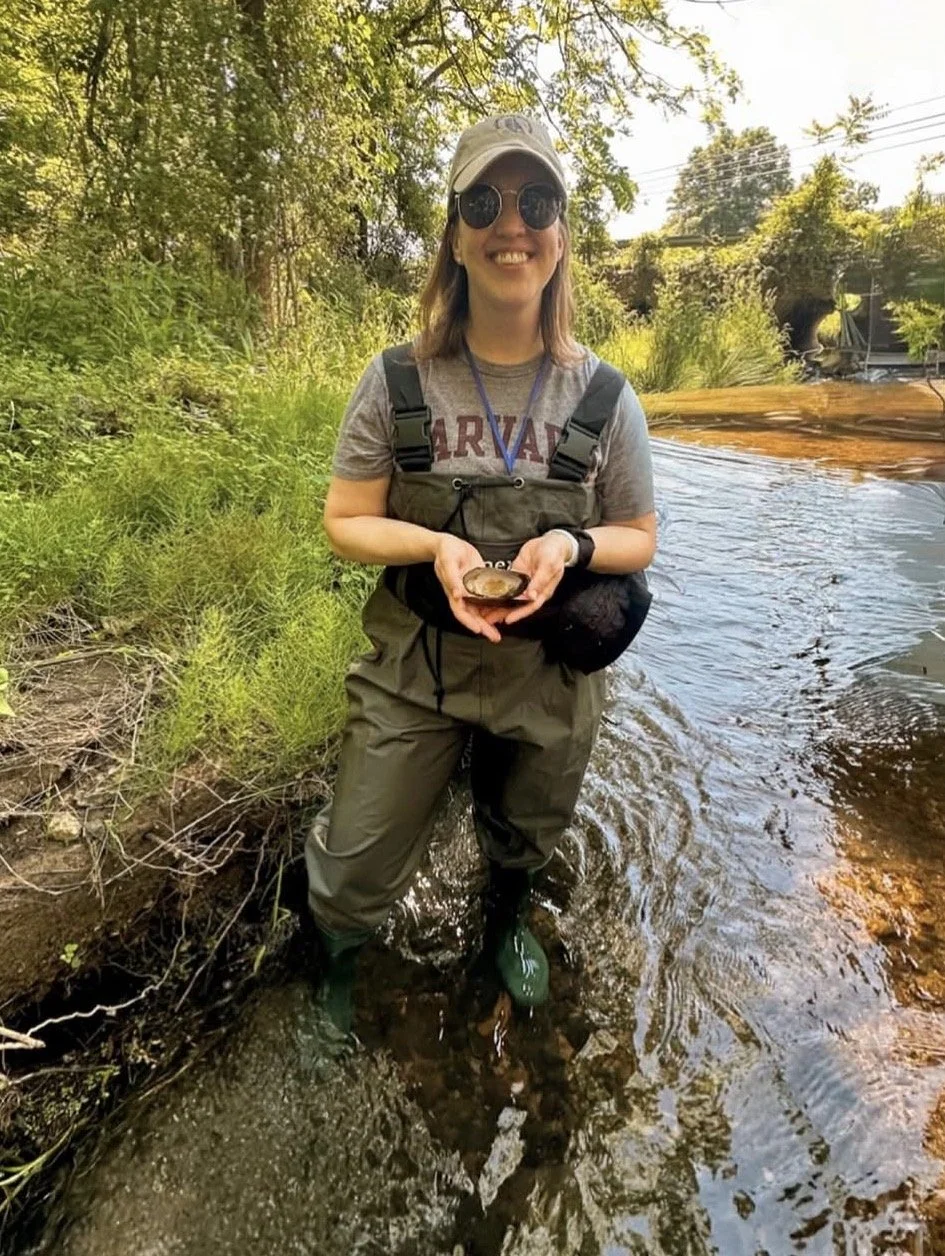
Ashley E. Smith is a registered nurse, environmental communicator, and graduate student in Museum Studies at Harvard University. Her interdisciplinary research explores the histories of natural history, science, and medicine, with particular attention to how scientific knowledge is observed, documented, preserved, and communicated across the waterscapes of the eastern United States. Her interests encompass rivers, estuaries, coastal environments, and the historical relationships among human communities, scientific institutions, and the natural world.
Her current graduate research examines nineteenth- and early twentieth-century lighthouse stations as sites of medical care, scientific observation, environmental monitoring, and knowledge production. Drawing on archival records and material culture, Smith investigates how lighthouse keepers and their families observed, documented, and responded to the medical and environmental conditions of life at the water’s edge. Her research also considers these historical practices alongside the contemporary work of Waterkeeper organizations, exploring continuities in environmental observation, stewardship, and the ways knowledge about changing waterscapes is produced and preserved.
Smith brings more than a decade of experience in critical care cardiovascular nursing to her research, complemented by graduate training in museum studies, board service and volunteer involvement in watershed conservation, and ongoing naturalist education. Her broader scholarly interests encompass the history of natural history and field science, freshwater ecology, natural history museum collections, environmental communication, and the evolving relationships between human health and ecological systems. She aspires to pursue doctoral studies in the history of science, focusing on the development of natural history as a scientific discipline and its enduring influence on contemporary environmental science, public health, and freshwater conservation.
The story of Gryffin began in Tampa, Florida, as Gryffin Bibliophile Conservatory, a small bookstore rooted in a love of literature, art, and intellectual curiosity. It later found its way to the banks of the Potomac River in Alexandria, Virginia, evolving into Gryffin Studio and Gryffin River Shack, a riverine art studio and local market shop inspired by the natural world. Over time, the studio's creative pursuits developed alongside Smith's growing interests in natural history, environmental stewardship, and the interpretation of scientific knowledge after a move to Birmingham, Alabama.
Today, Gryffin has rounded another bend, growing into a space for storytelling, research, and environmental communication. Through Gryffin River Shack, under the umbrella of Gryffin Studio, Smith now shares her developing scholarship, field observations, and essays at the intersection of environmental science and the humanities. Her work approaches waterscapes as living archives of scientific inquiry, natural history, material culture, and human experience, tracing the relationships between the people who study and care for these environments and the knowledge they leave behind.